
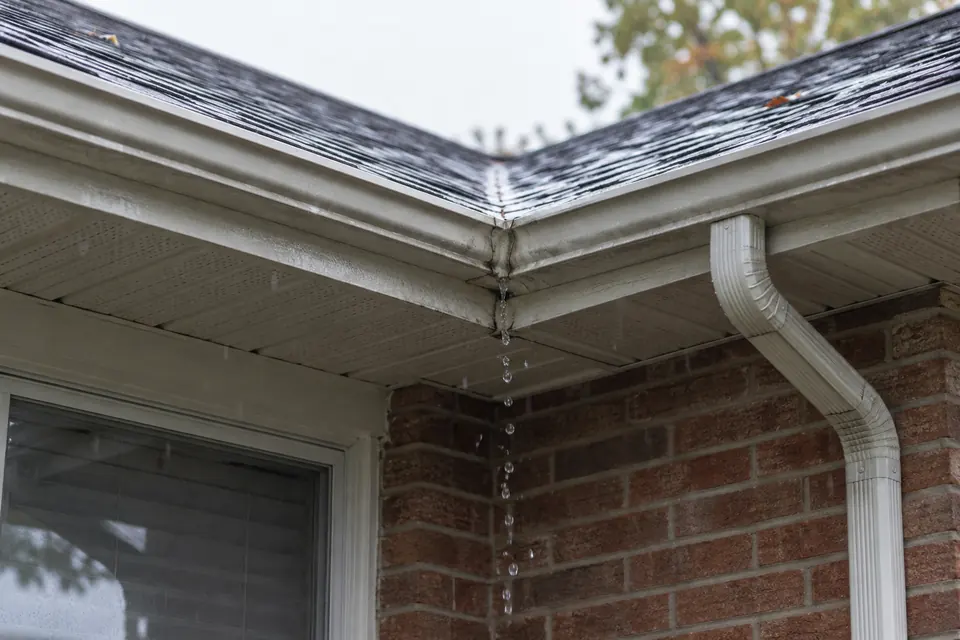
EAVESTROUGHS • GUTTERS • DOWNSPOUTS
Eavestrough & Gutter Services in Oakville
Installation, replacement, repair and roof-runoff solutions planned from the roof edge through the downspout and final discharge point.
- Installation & Replacement
- Repairs
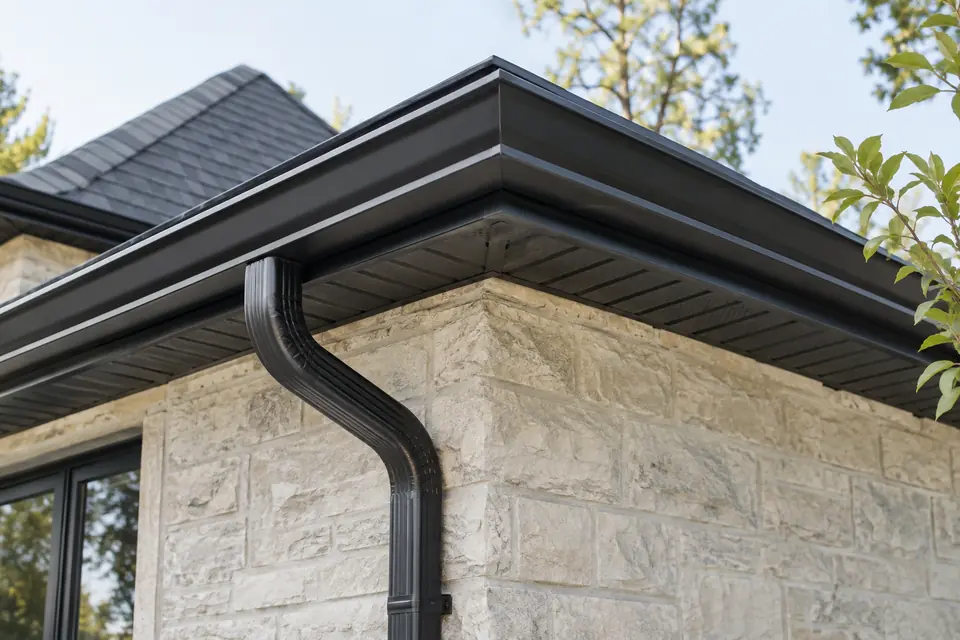
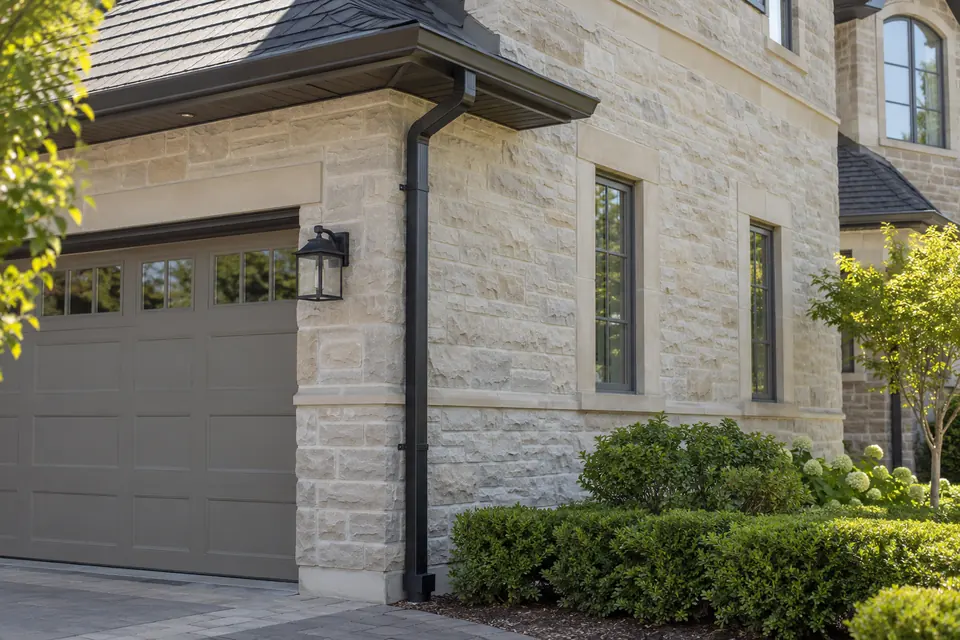
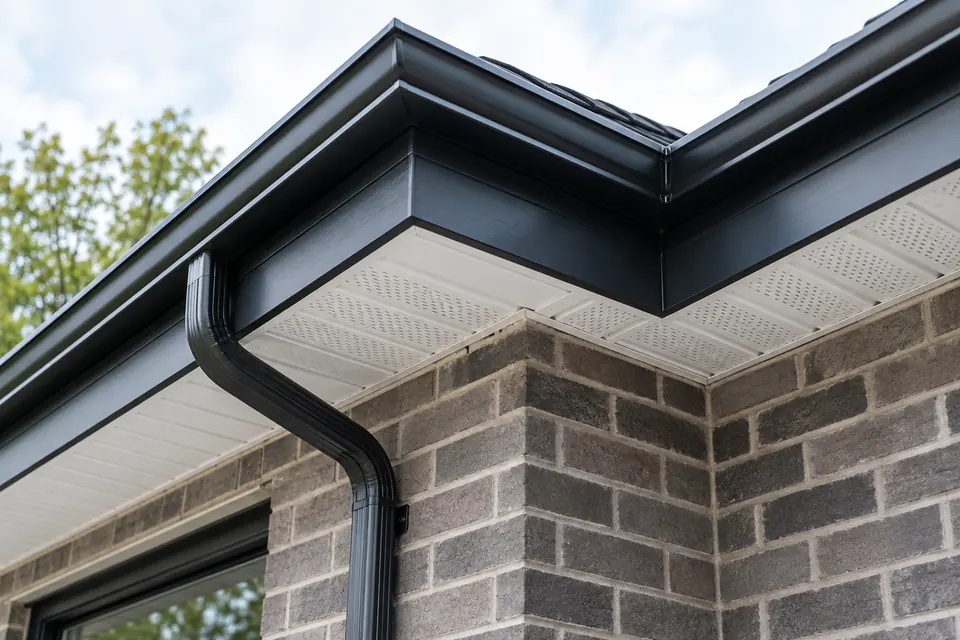
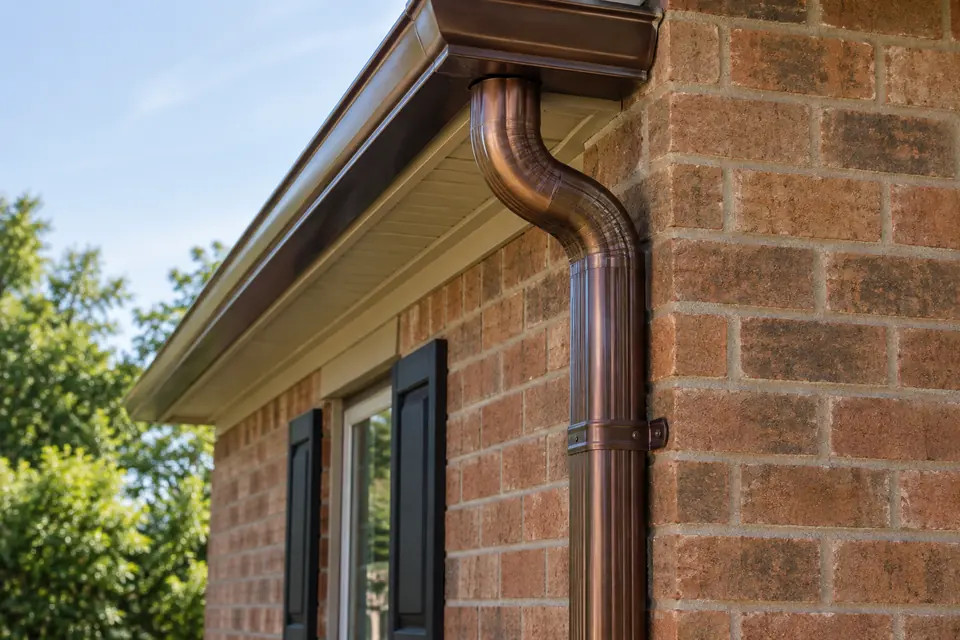
- Downspouts
- Soffit & Fascia
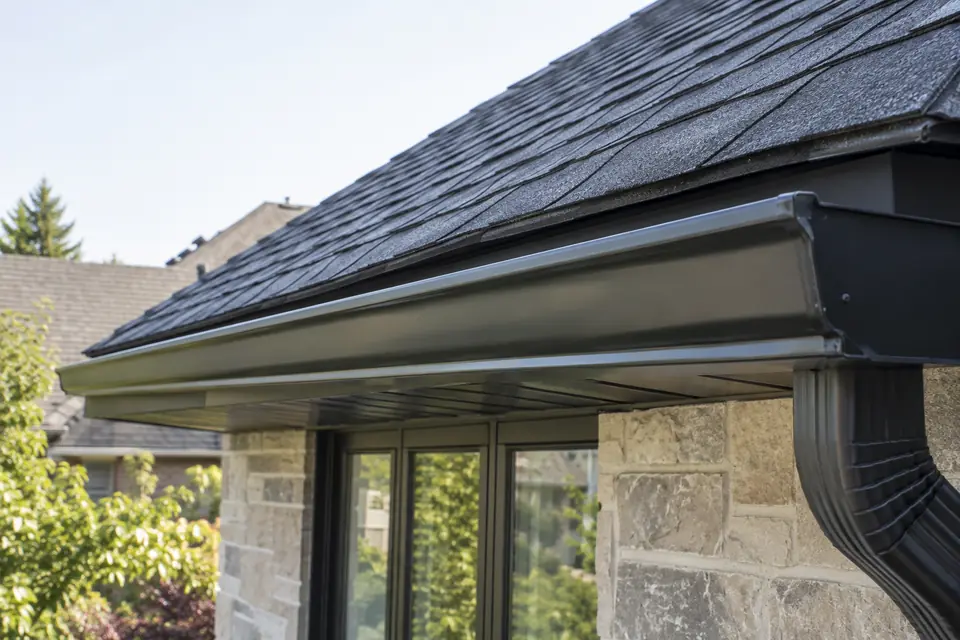
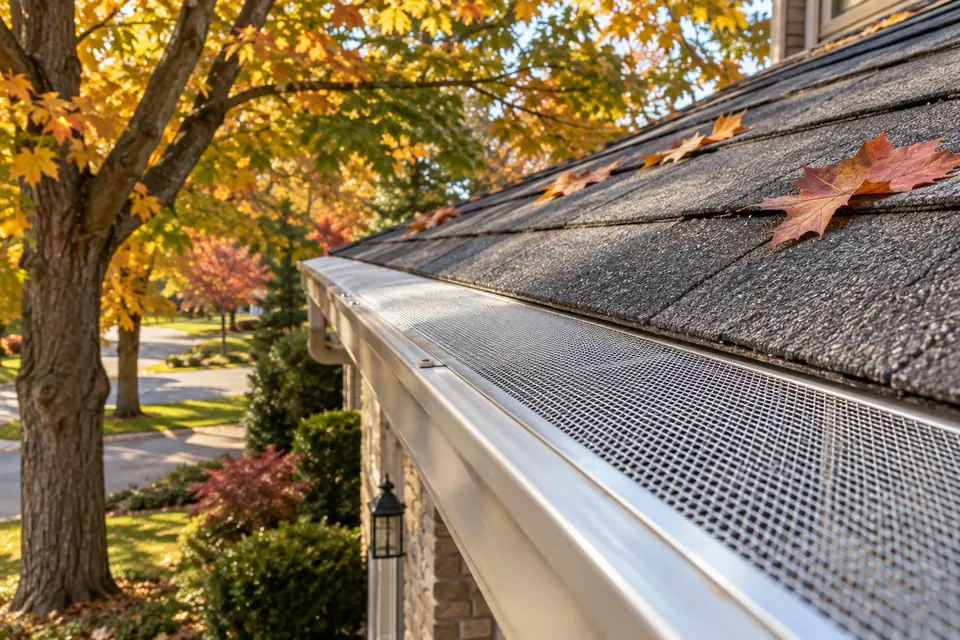
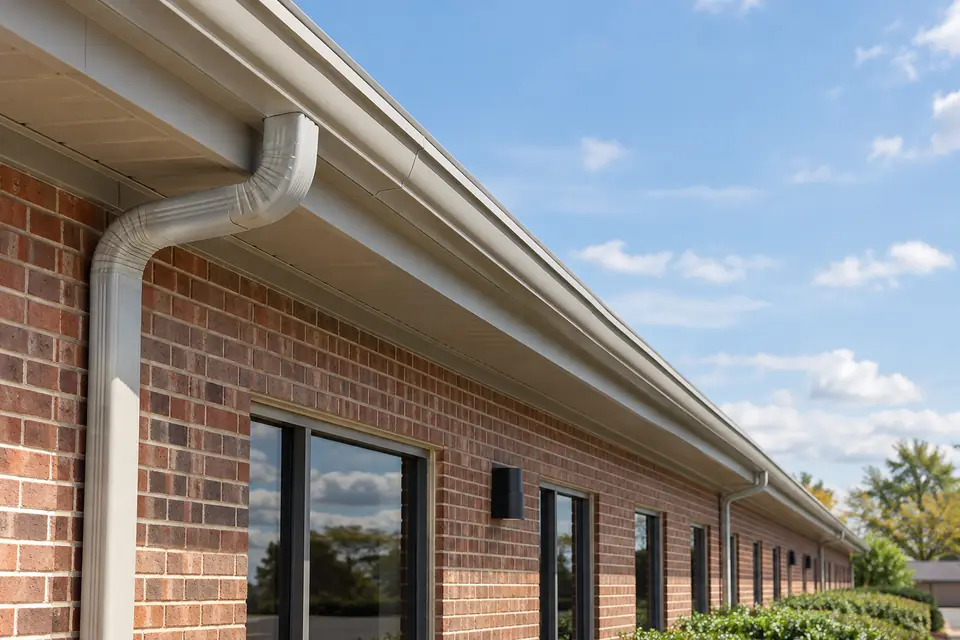
Start with the property
Tell Us About the Roofline or Drainage Problem
Share the Oakville address or postal code, property type, storeys, service, affected elevation, timing and optional photos. Budget is not required.
Start with the visible condition
What Are You Seeing?
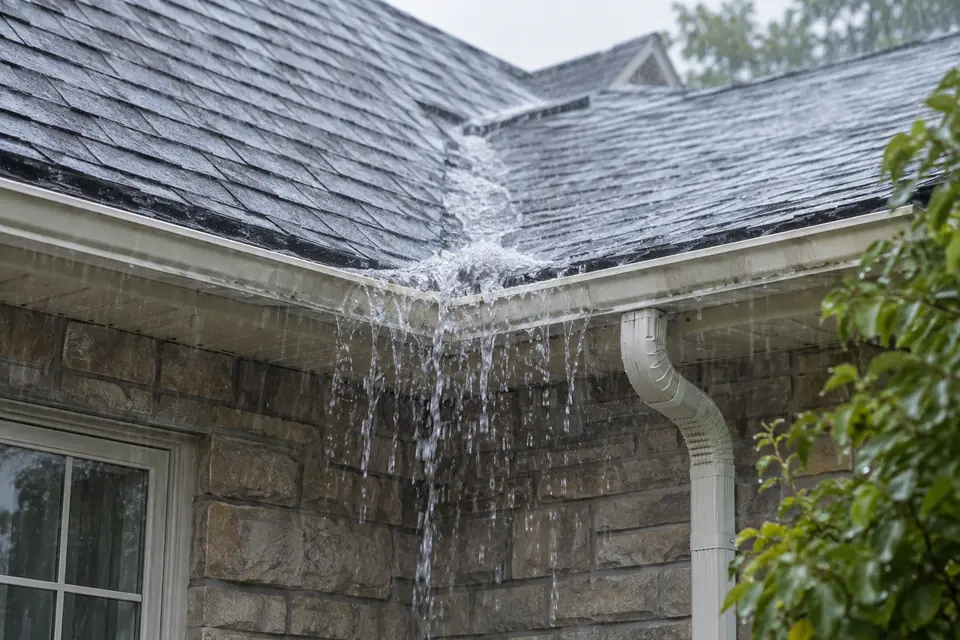
The same symptom can come from several components. Use the problem pages to understand what should be observed before a repair is selected.
Dedicated service paths
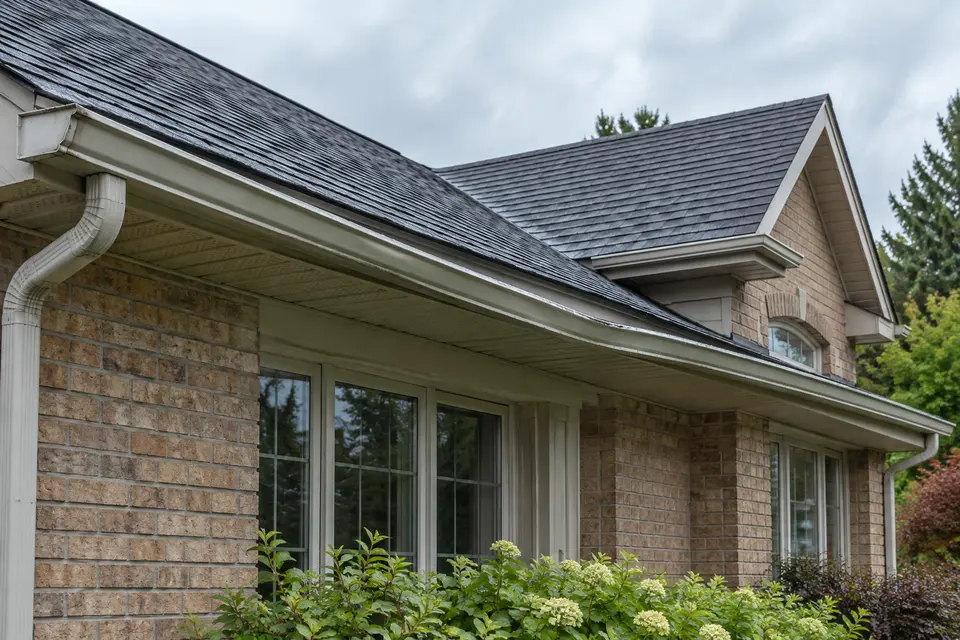
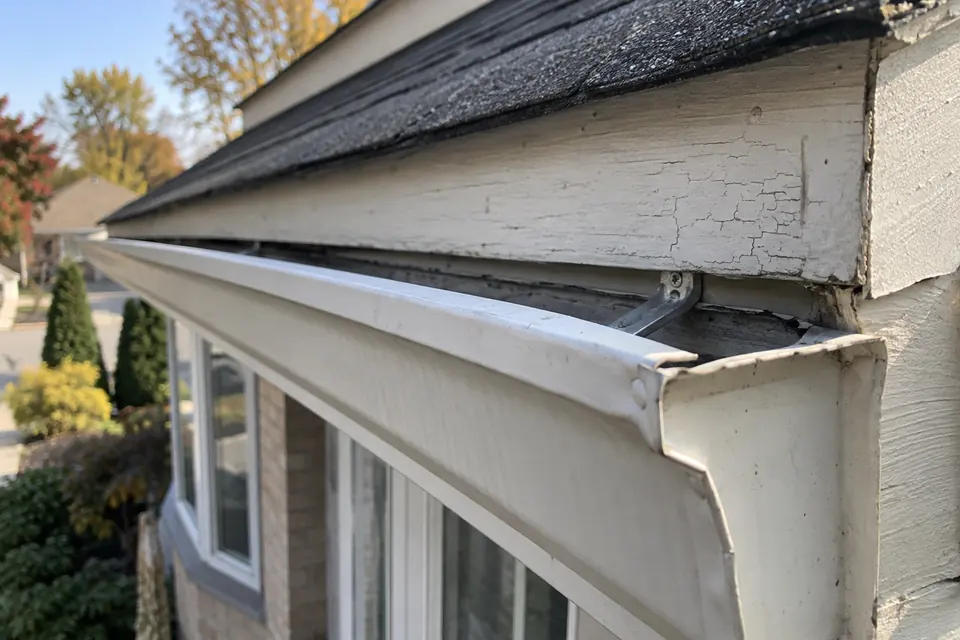
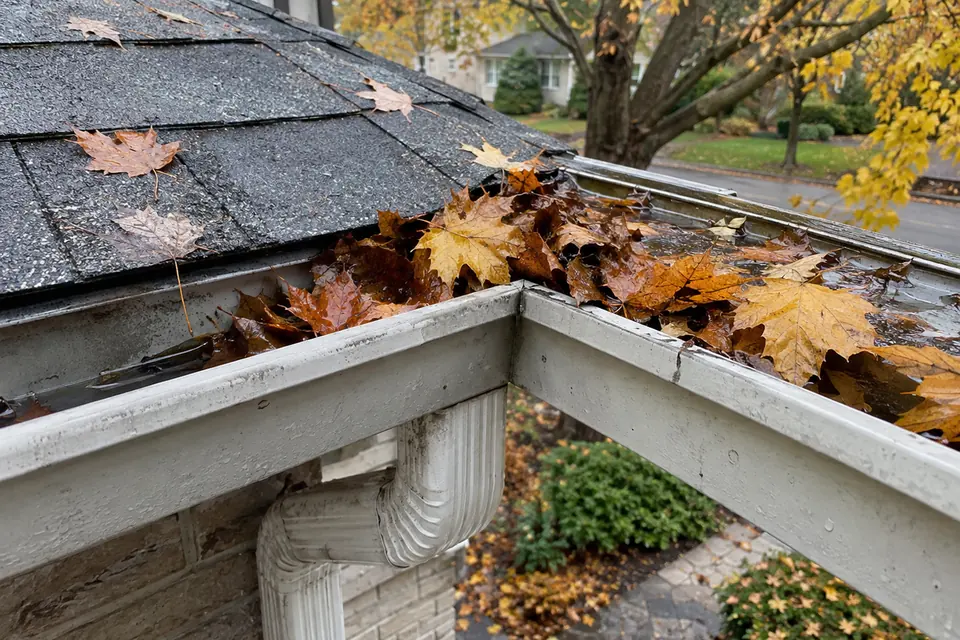
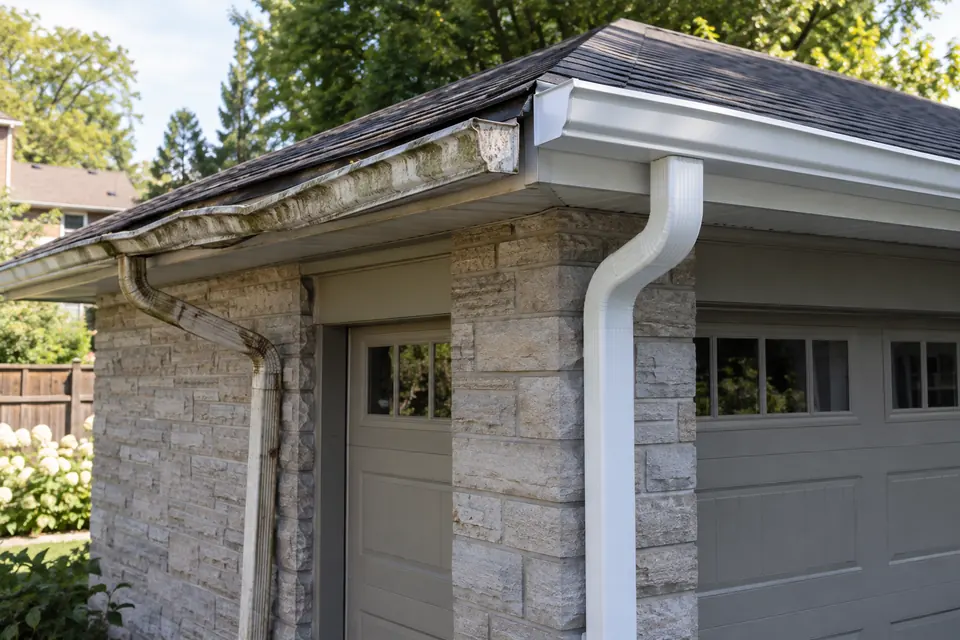
Residential Eavestrough Services
Installation, replacement, repair and each related roofline component keep their own scope. That makes it easier to request the work the property actually needs.
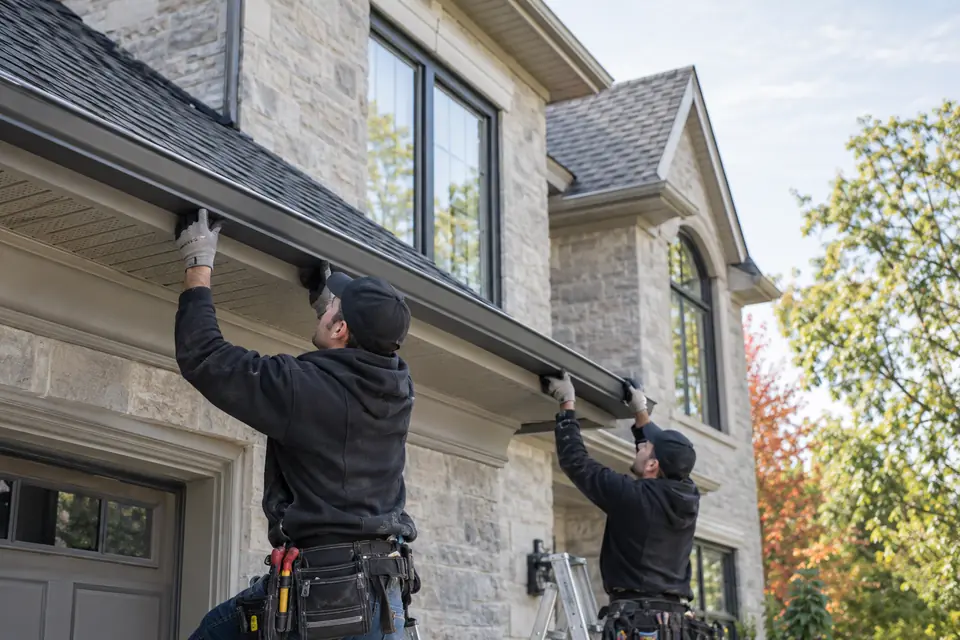
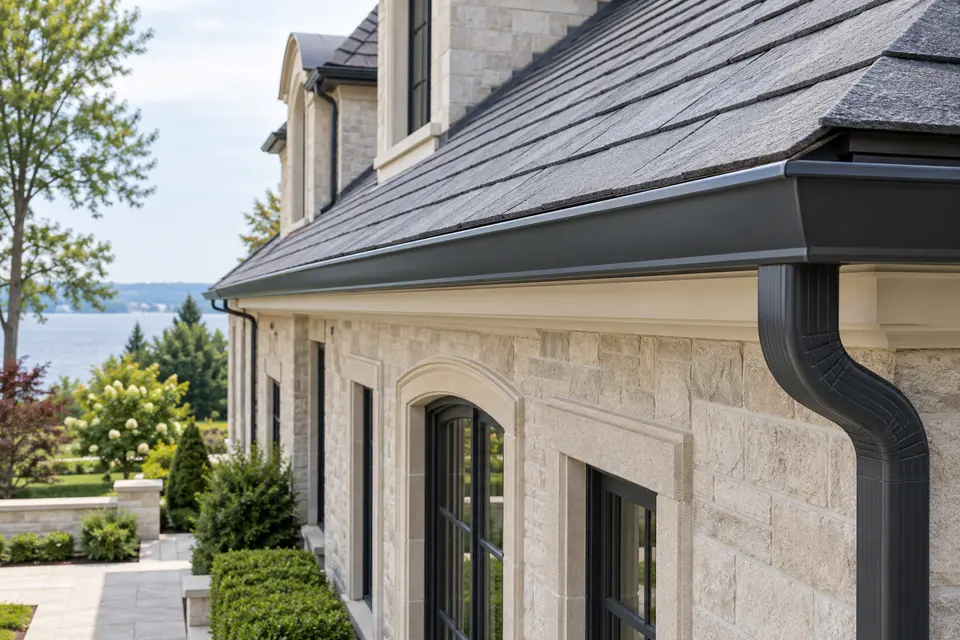
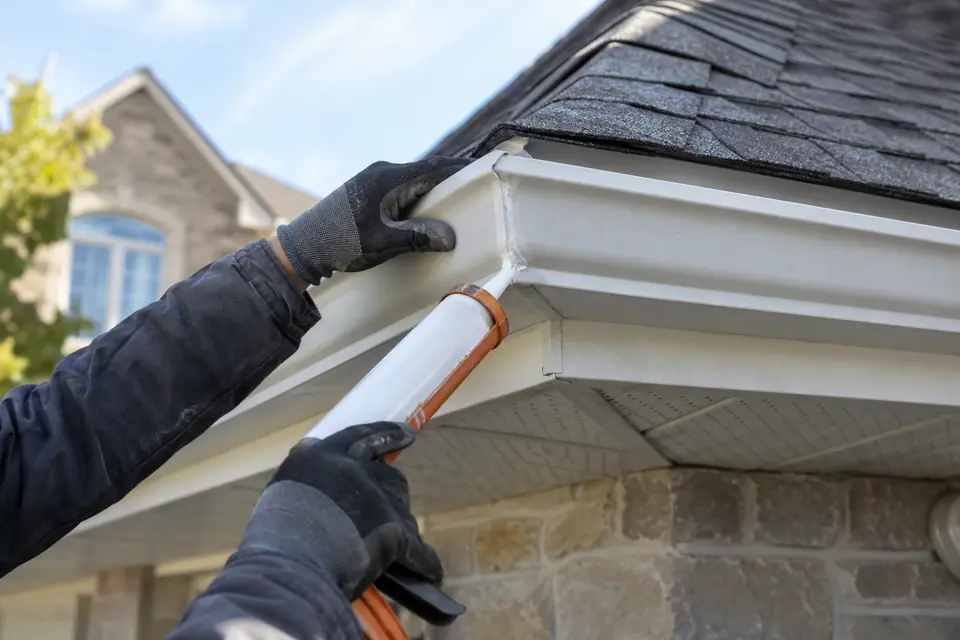
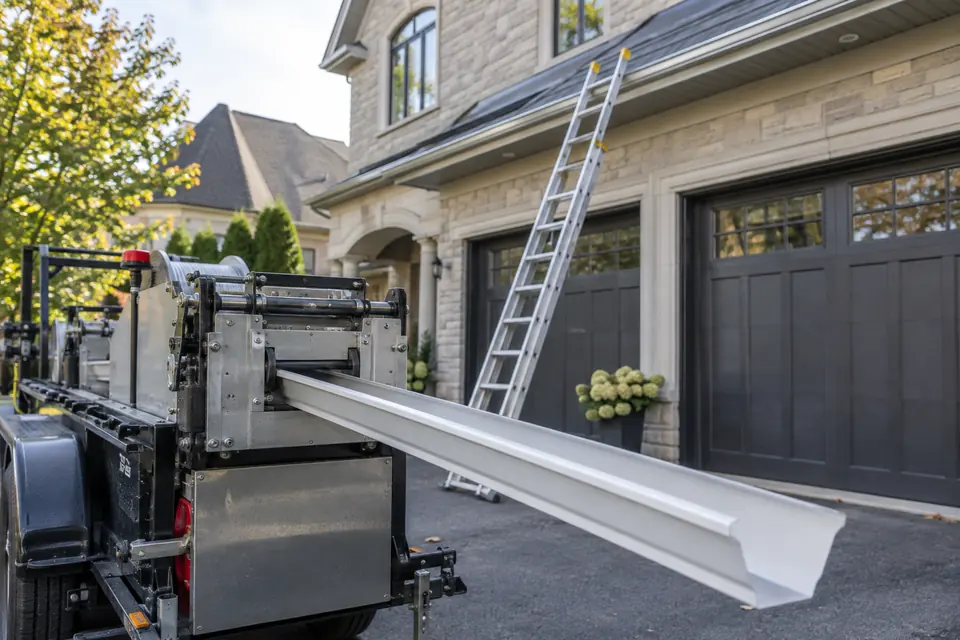
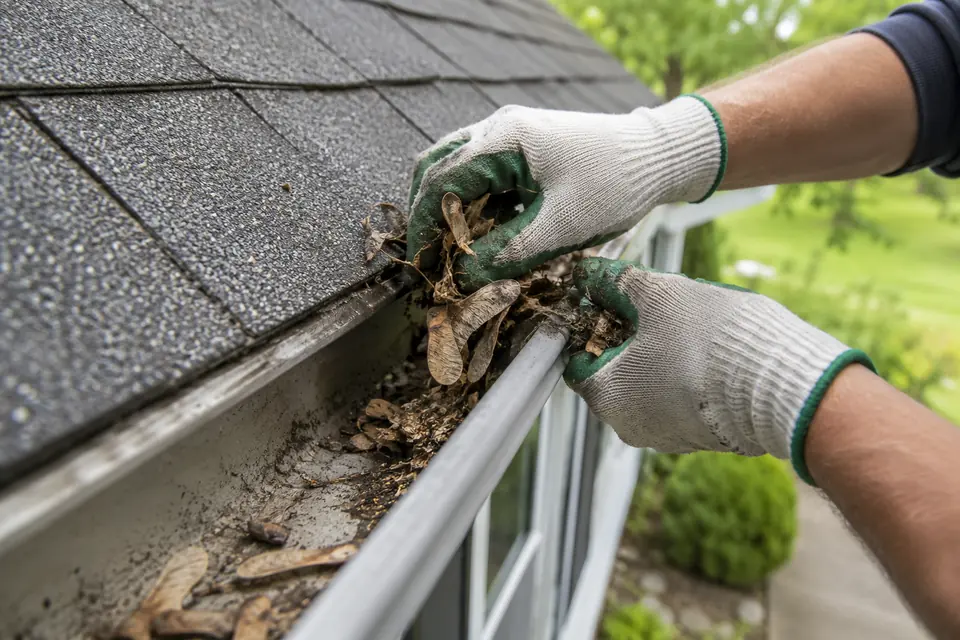
One connected system
Follow the Entire Water Path
Roof → Eavestrough → Outlet → Downspout → Extension → Grade
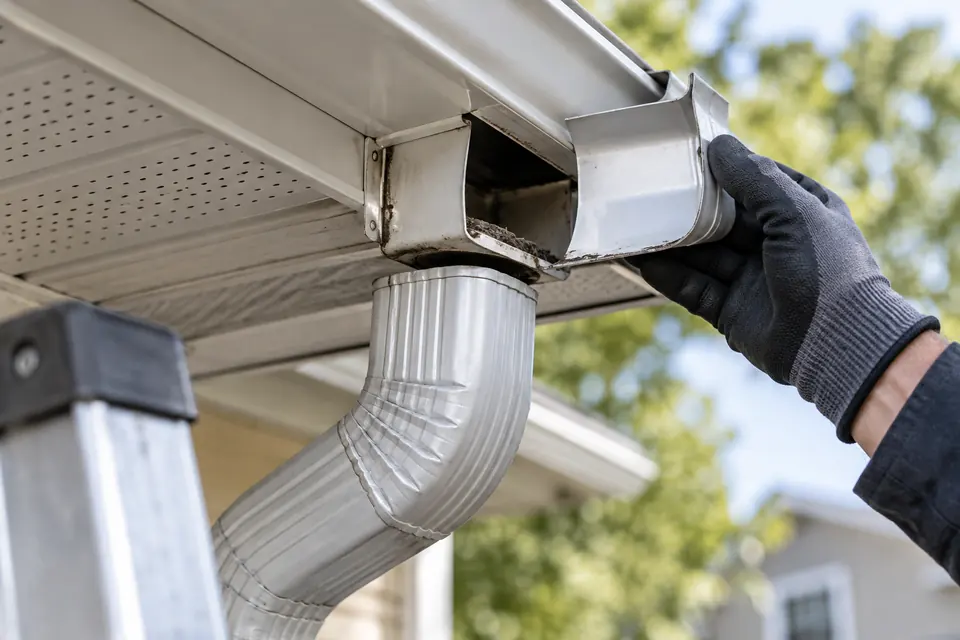
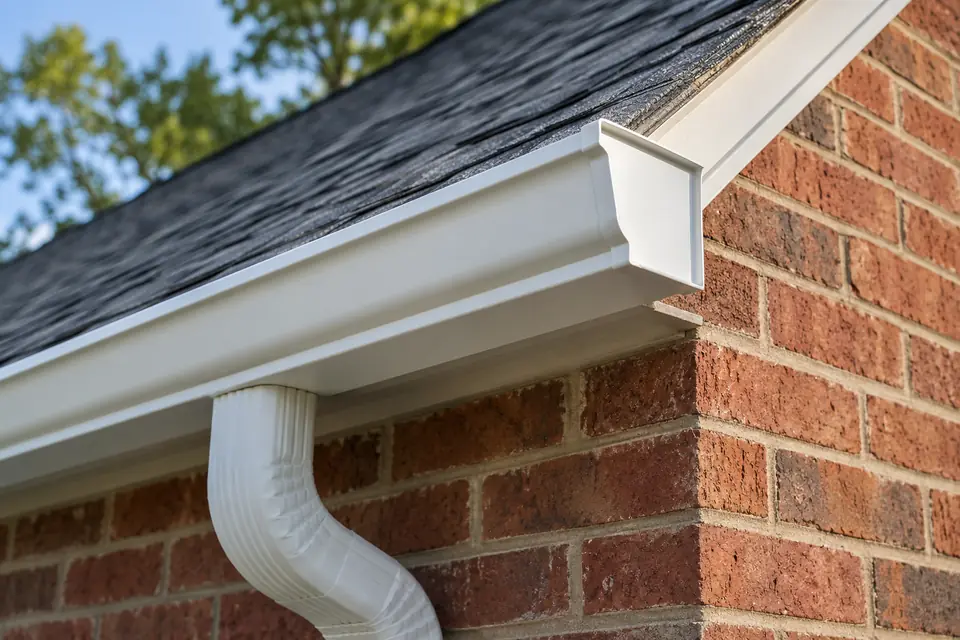
Oakville property planning
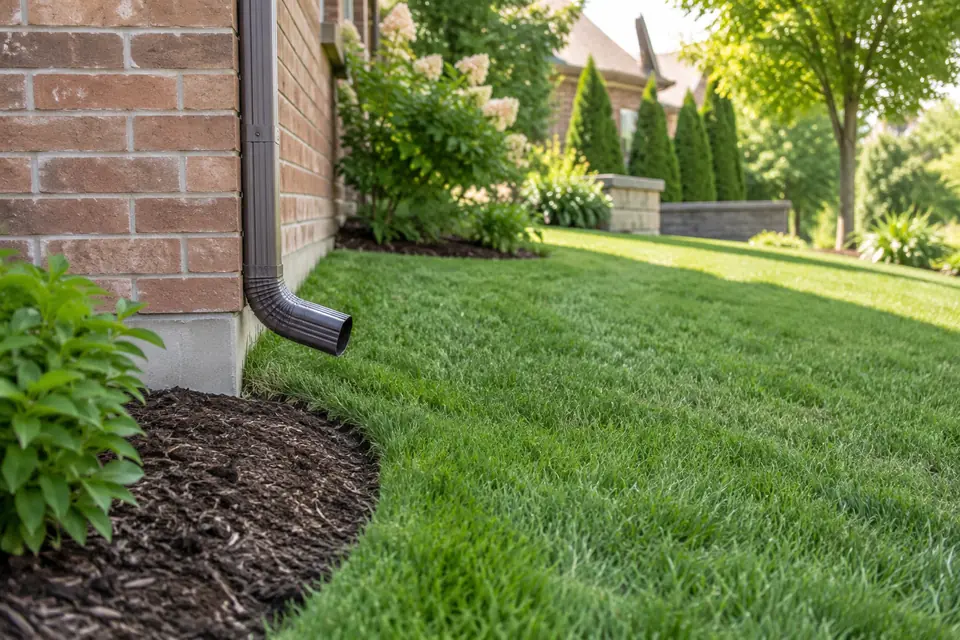
Downspout Routing Matters
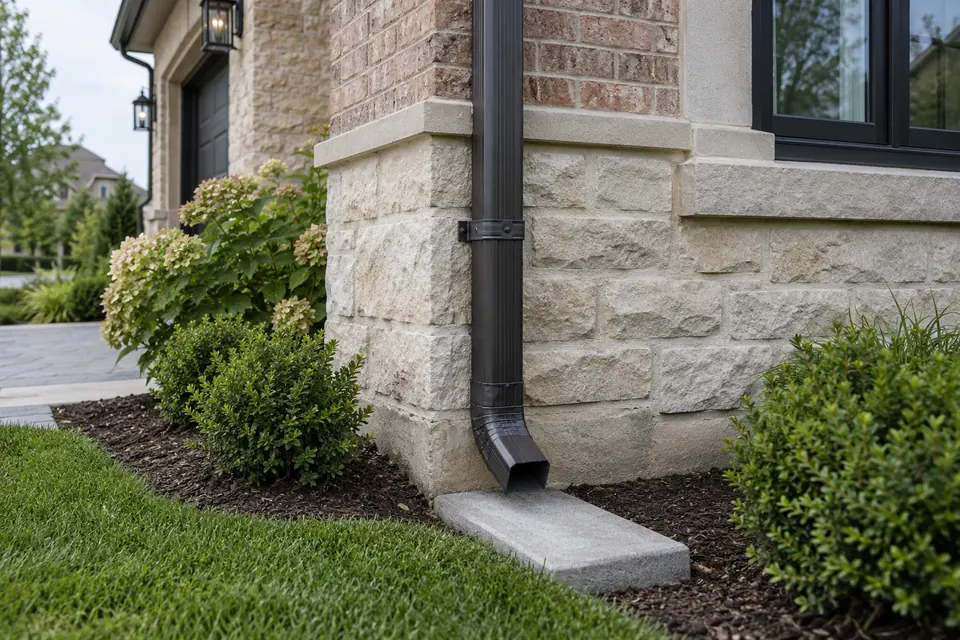
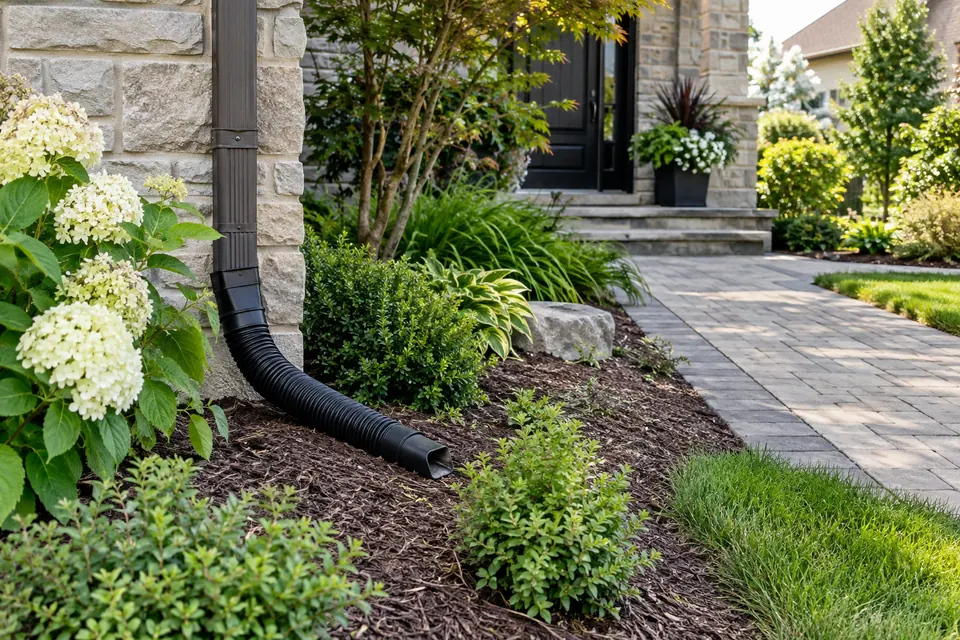
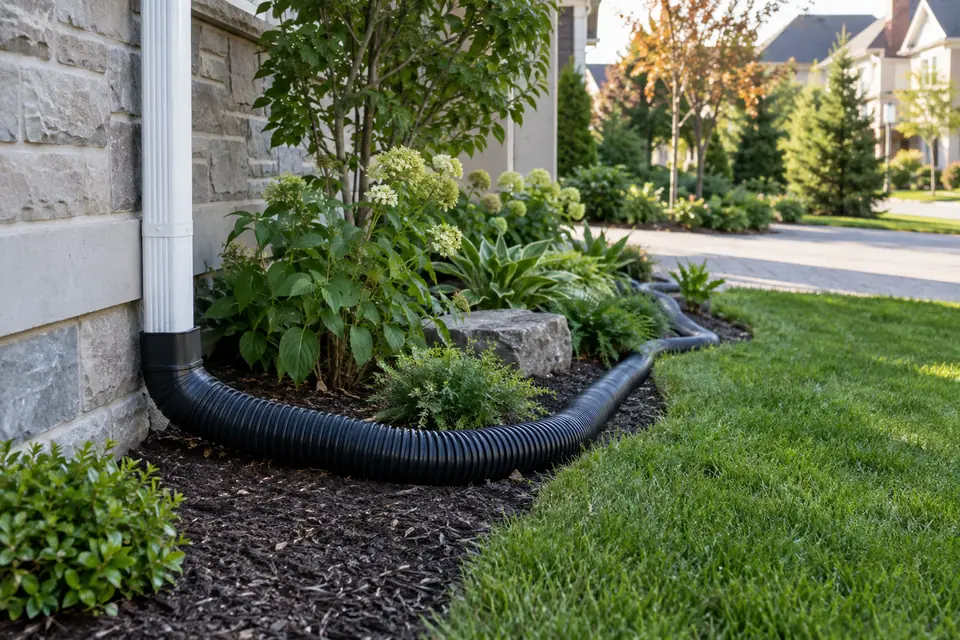
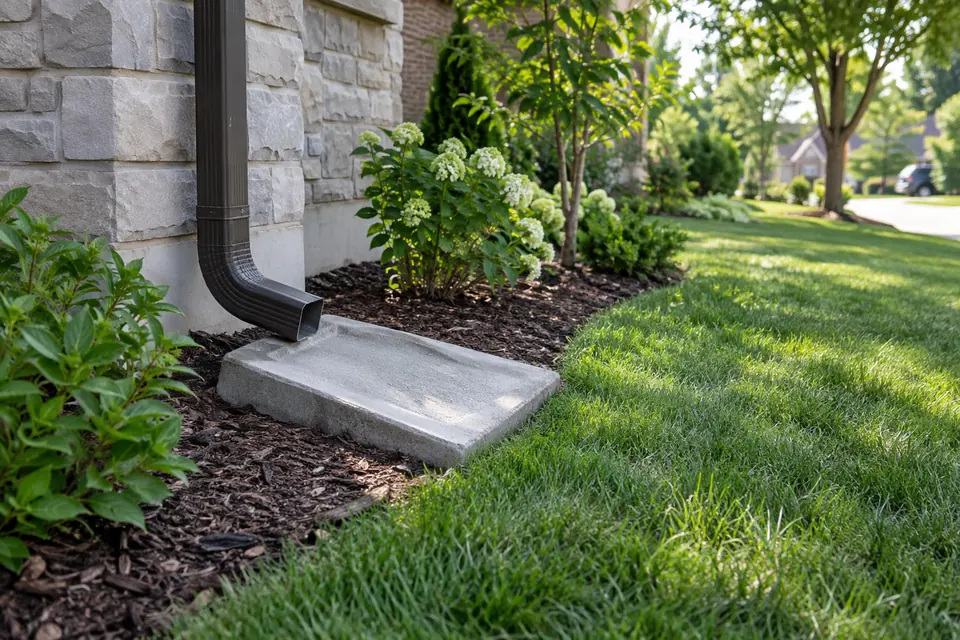
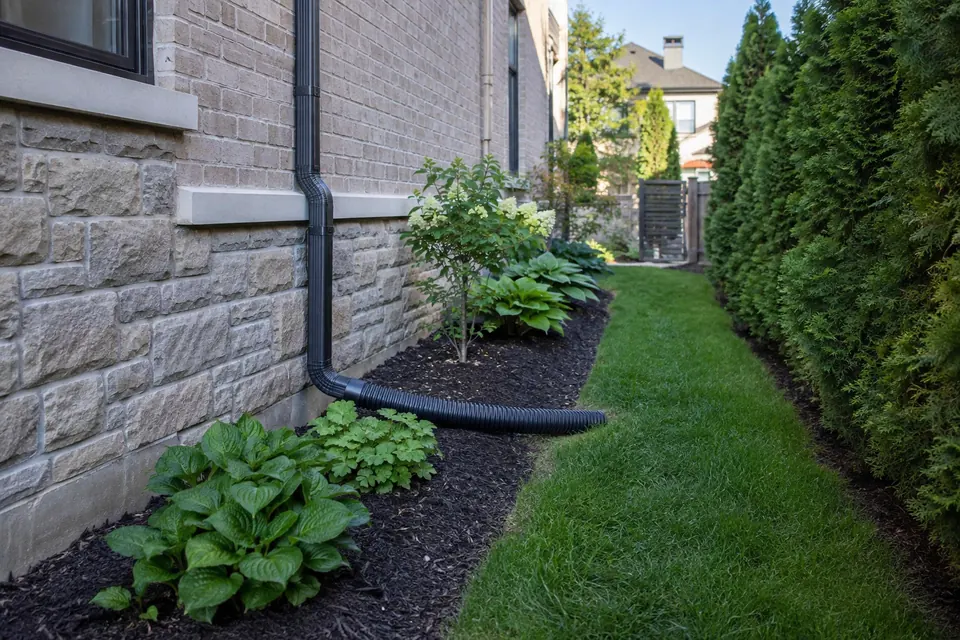
Oakville guidance says downspouts should discharge onto splash pads or hard surfaces that direct water away from the house. It also says not to extend downspouts or other pipes to the property line or onto a neighbouring property.
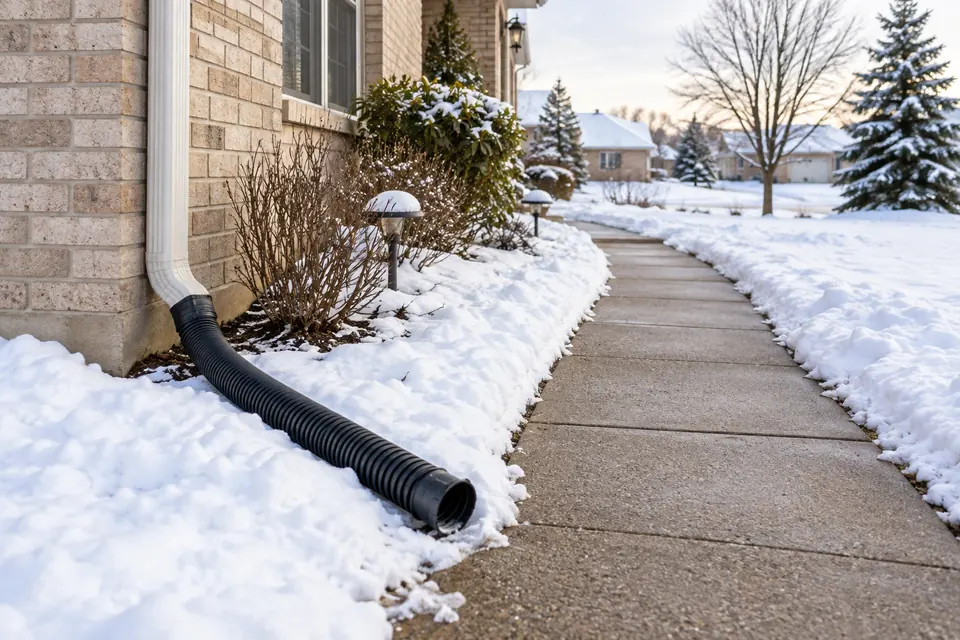
The practical route depends on grade, swales, landscaping, walkways, driveways and winter icing. No single extension length fits every lot. A route that moves water away from the wall but crosses a busy walkway or blocks a swale is incomplete.
- Discharge away from the building
- Keep walkways and driveways in view
- Respect property lines and neighbouring land
- Maintain swales and sheet-drainage paths
- Separate above-ground routing from excavation or grading work
Condition before conclusion
Repair or Replace?
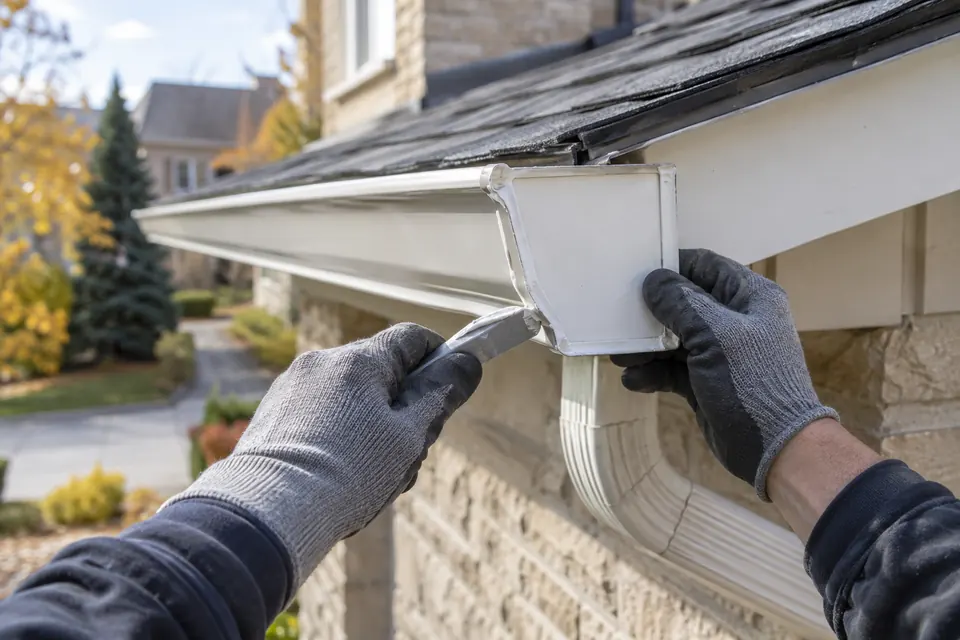
Repair may fit
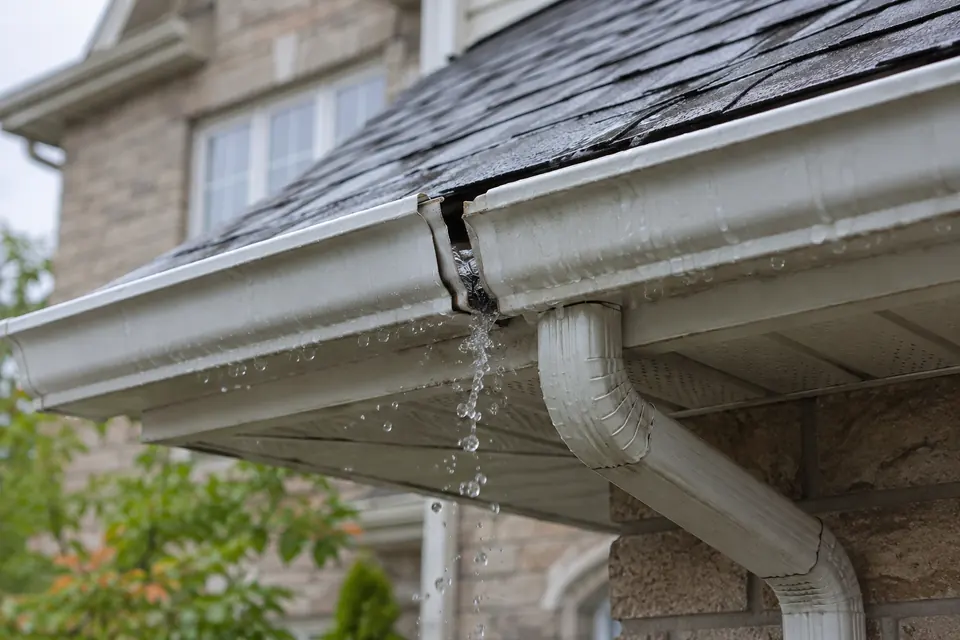
A single corner, end cap, hanger, outlet or short damaged section can sometimes be repaired when the surrounding system remains sound.
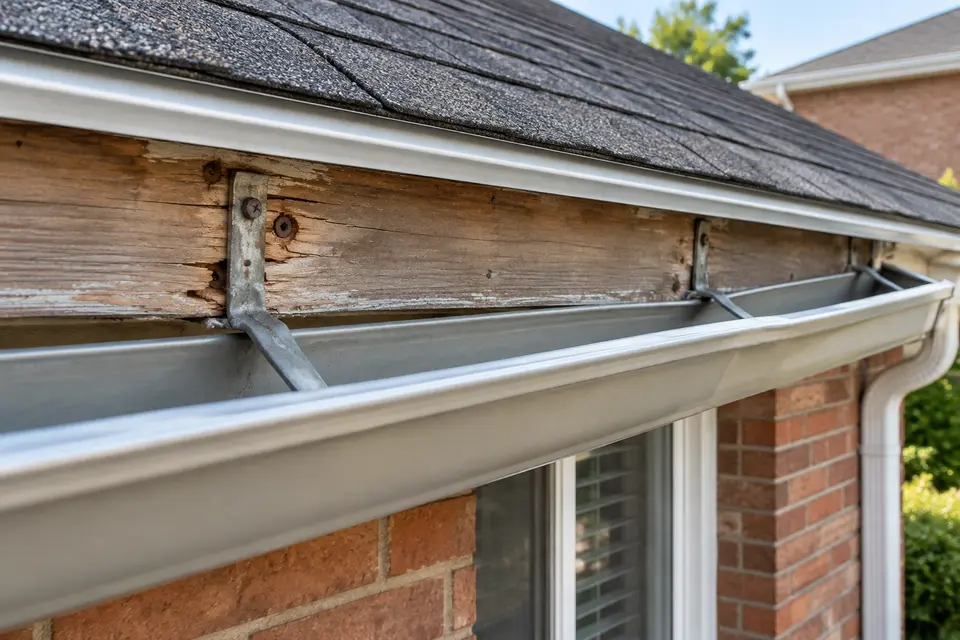
Replacement may fit
Repeated leaks, widespread deformation, poor attachment, failed support or a fundamentally weak layout can justify a broader scope.
| Review | Repair direction | Replacement direction |
|---|---|---|
| Failure pattern | One defined location | Several runs or repeated locations |
| Attachment | Sound support nearby | Widespread movement or unsuitable support |
| Material | Retained run holds its shape | Extensive damage or deformation |
| Layout | Existing outlets and downspouts work | Arrangement or capacity needs redesign |
Continuous runs and capacity
Seamless & High-Capacity Systems
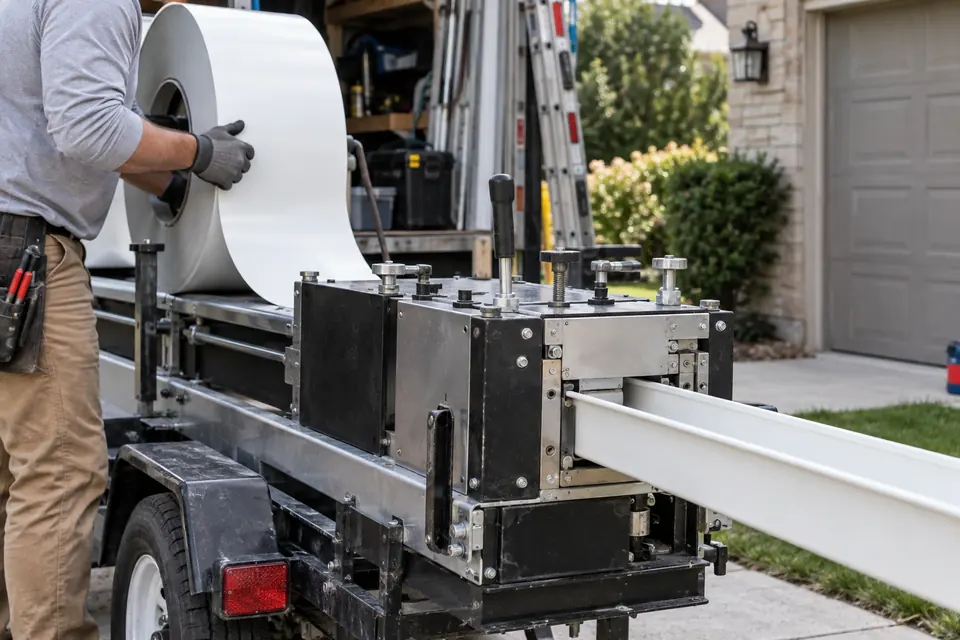
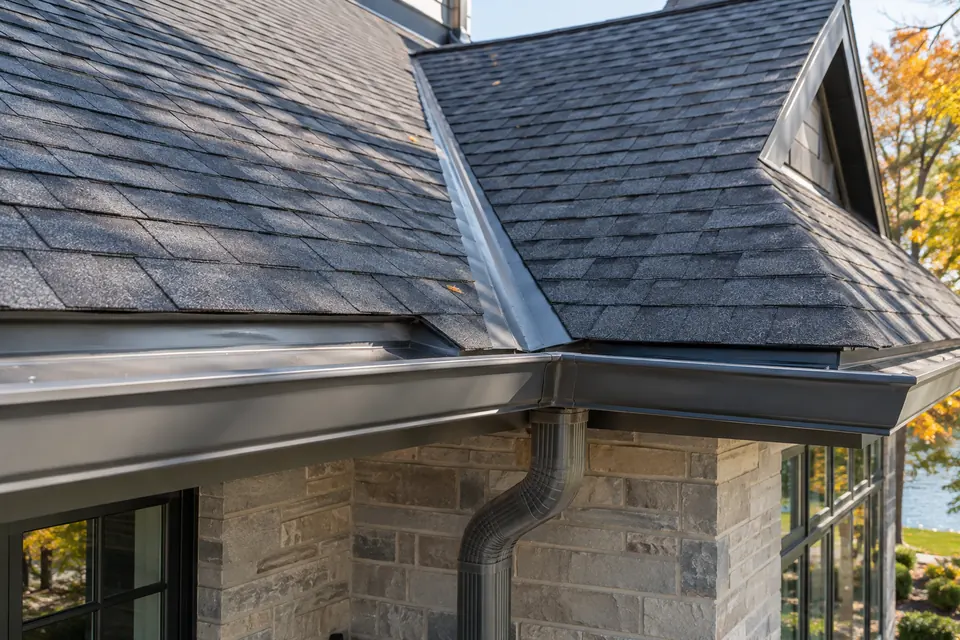
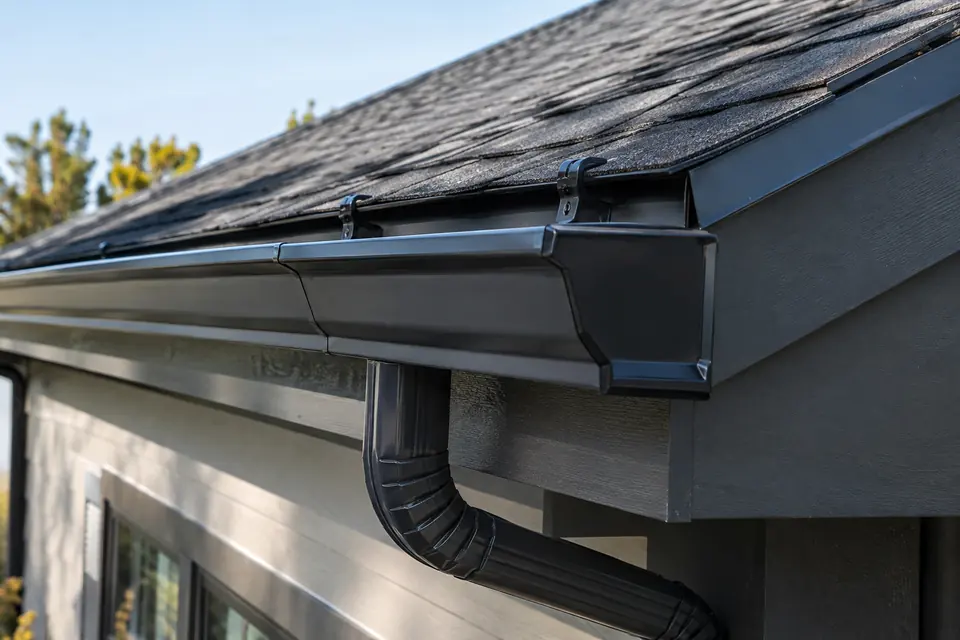
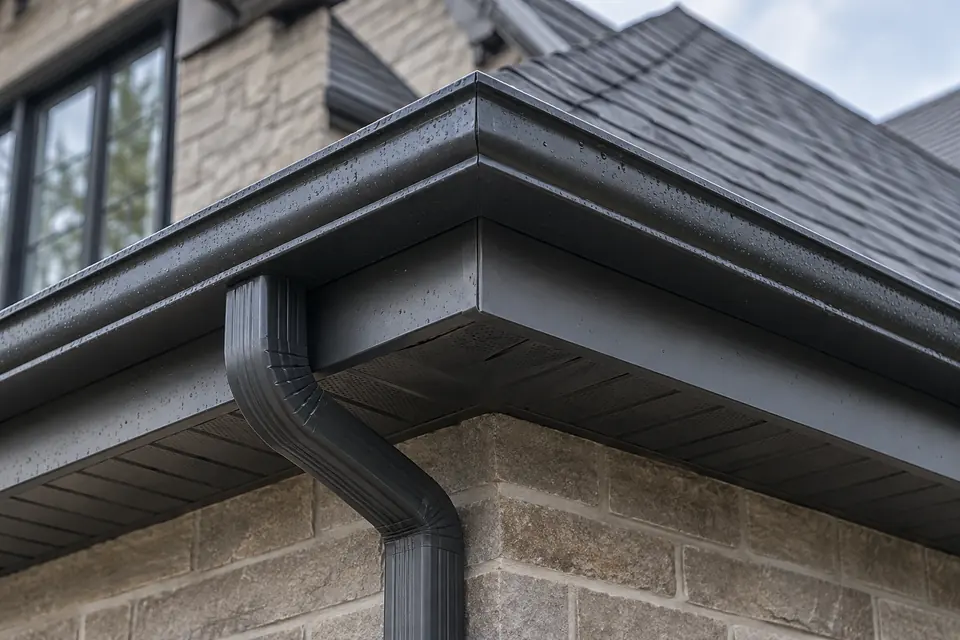
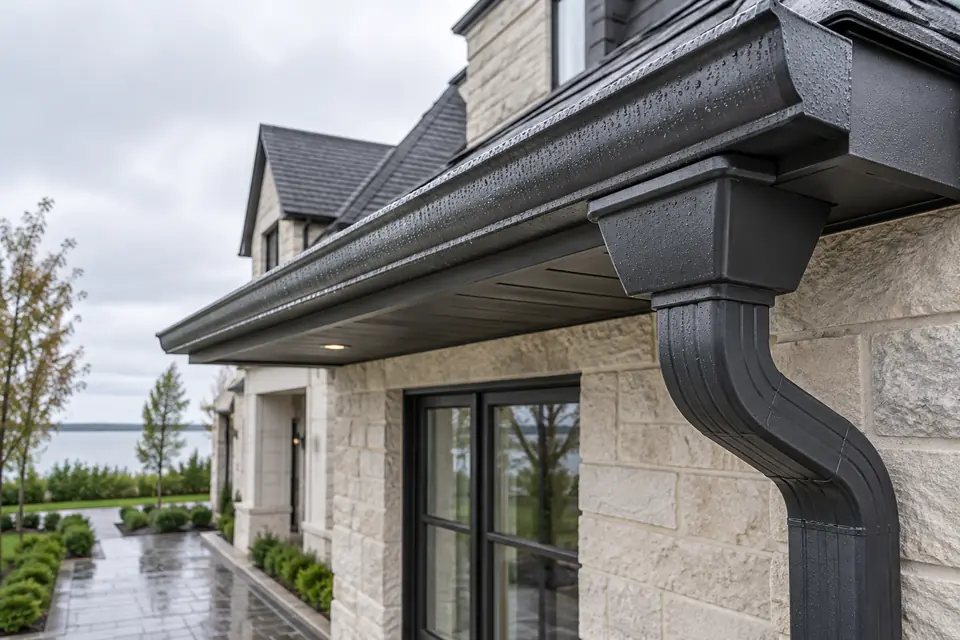
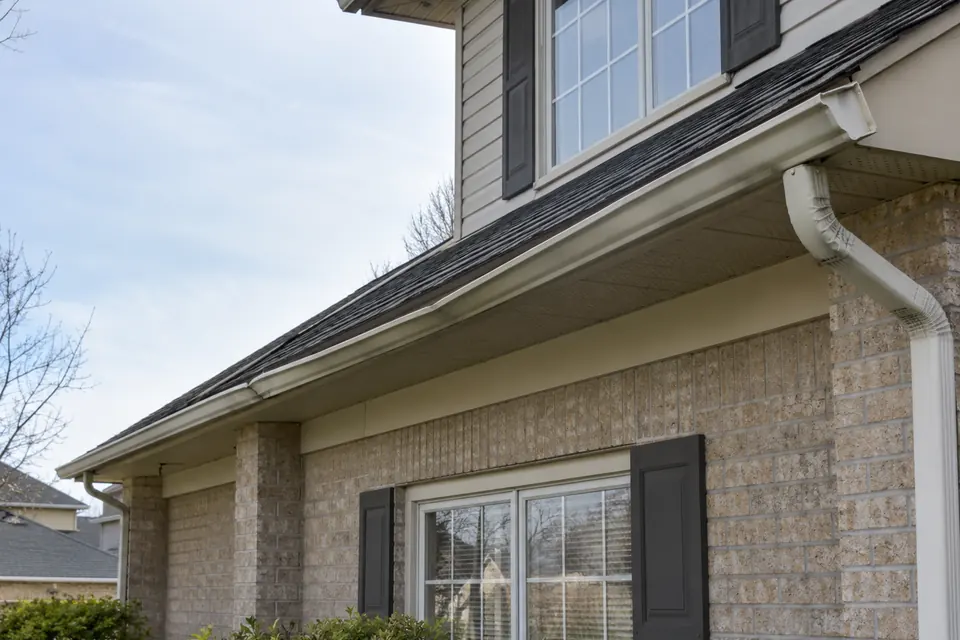
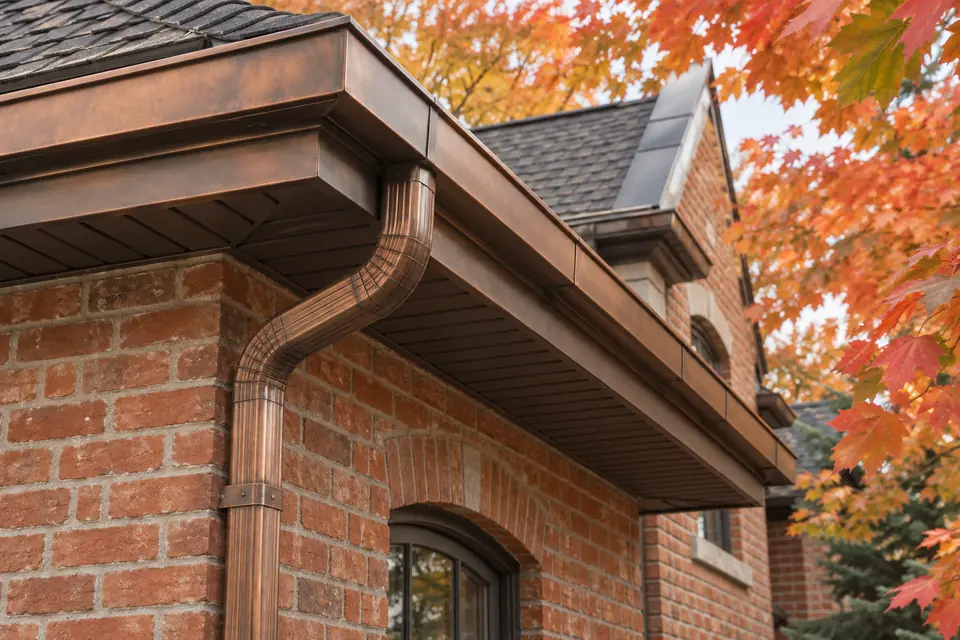
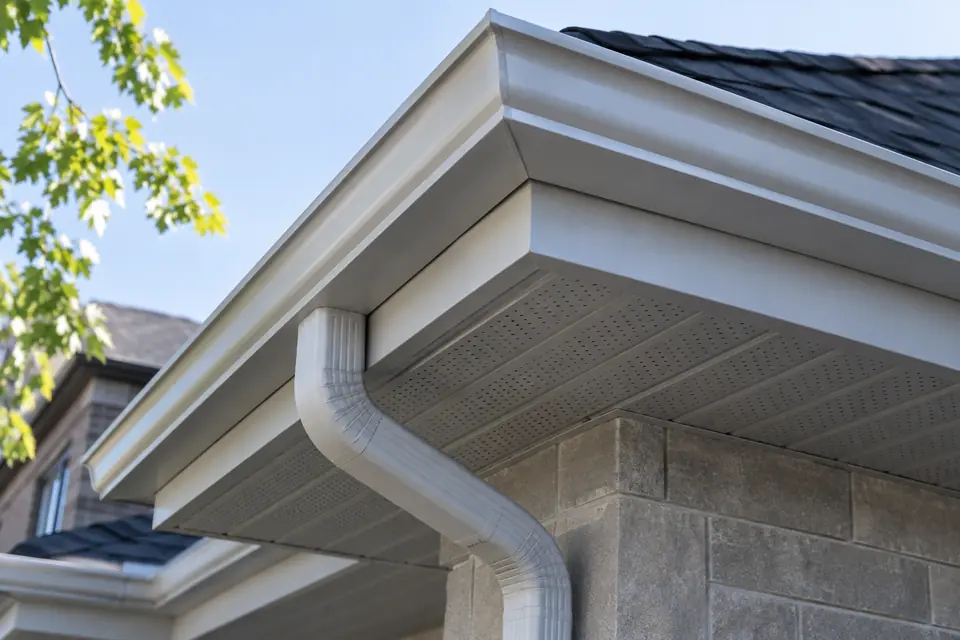
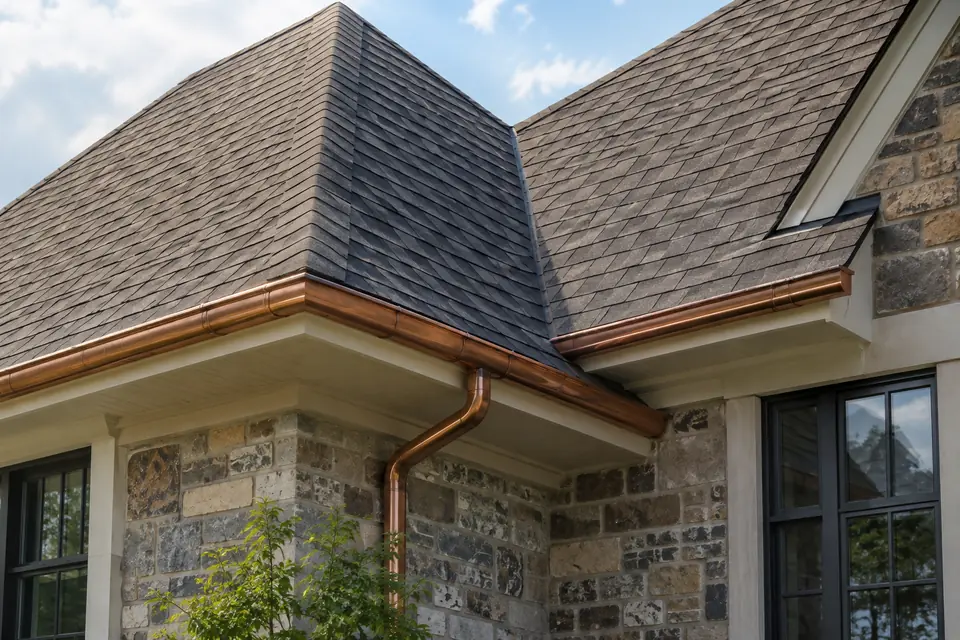
Seamless aluminum reduces field joints along straight runs, but corners, end caps and outlets still require careful preparation. Five-inch systems serve many homes. Six-inch systems may suit larger or steeper roofs and concentrated valley flow when outlets, downspouts and the fascia can support the change.
A larger trough is not automatically better. The decision should start with roof area and concentration, then protect the downstream capacity through outlets, downspouts and the final discharge route.
Keep the components distinct
Soffit, Fascia & Aluminum Capping
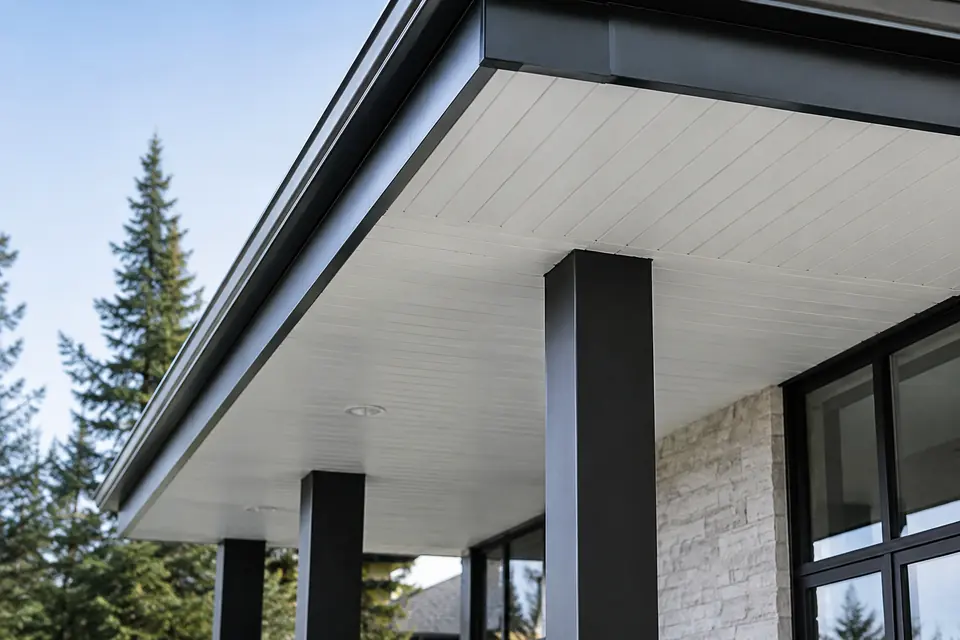
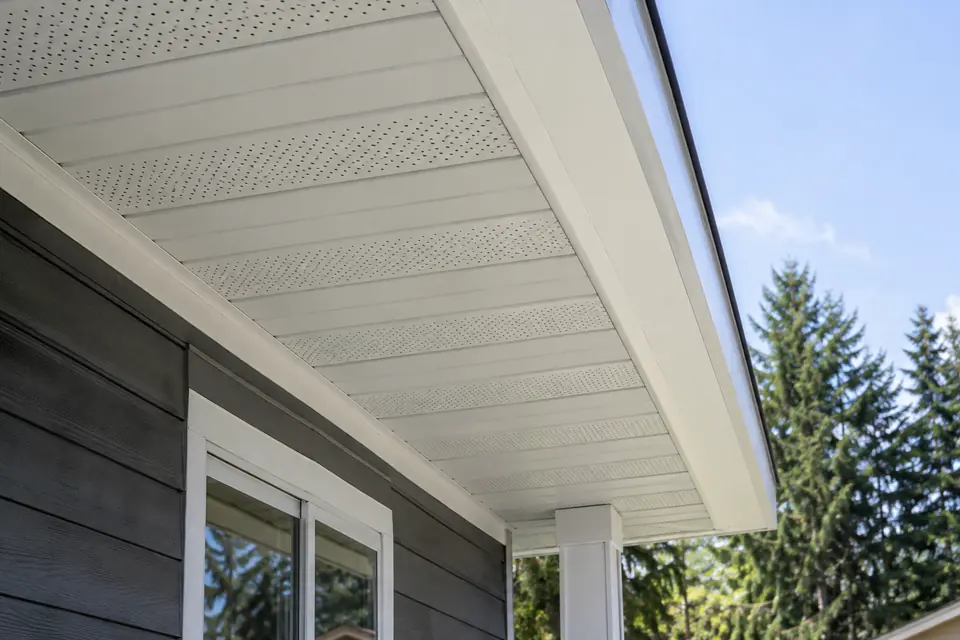
Soffit
Finish the underside of the overhang while respecting the existing vented or non-vented roof assembly.
Explore soffit →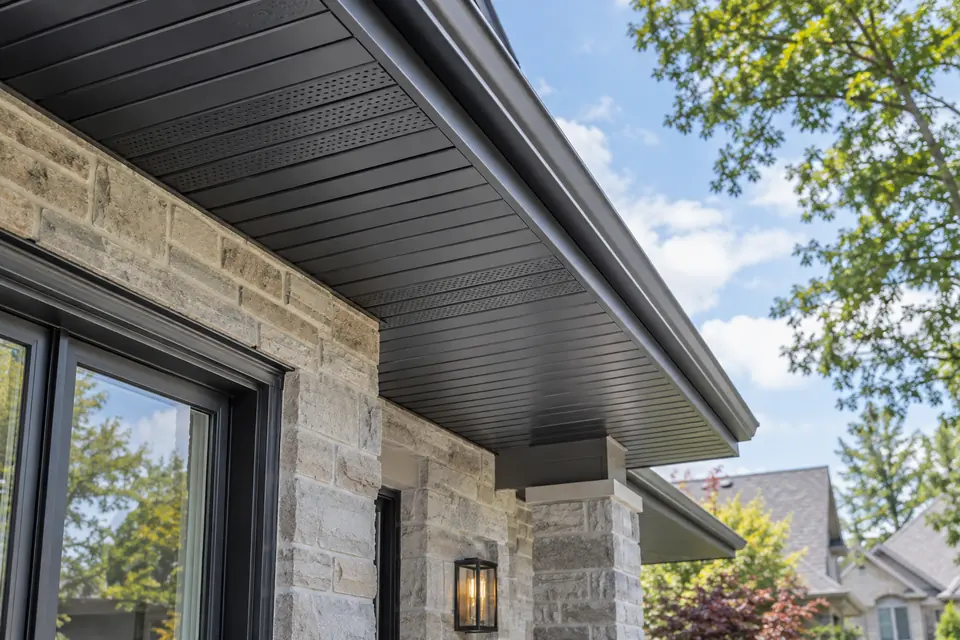
Fascia
Review the visible finish and the supporting condition used to attach the eavestrough.
Explore fascia →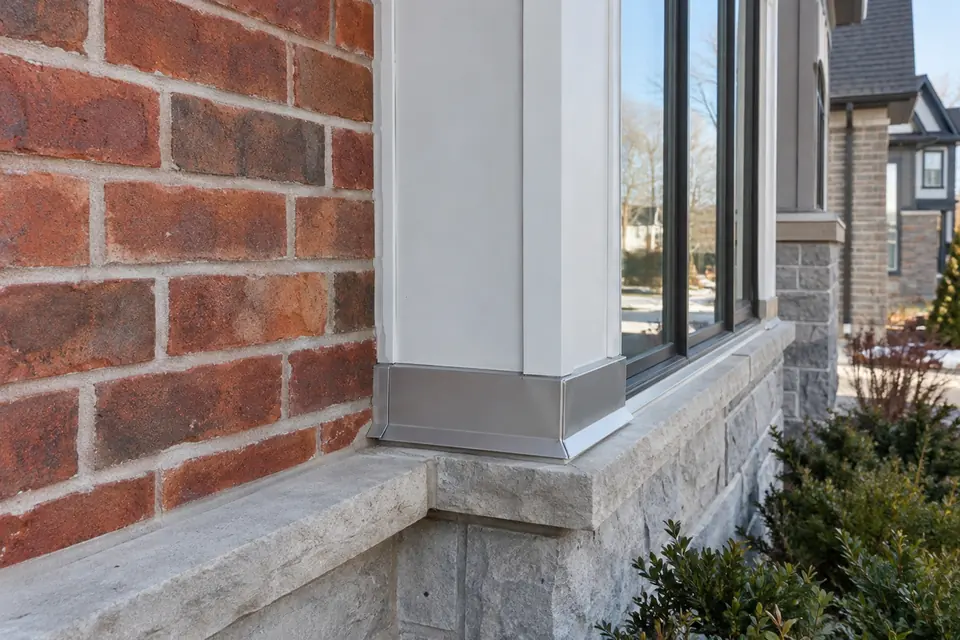
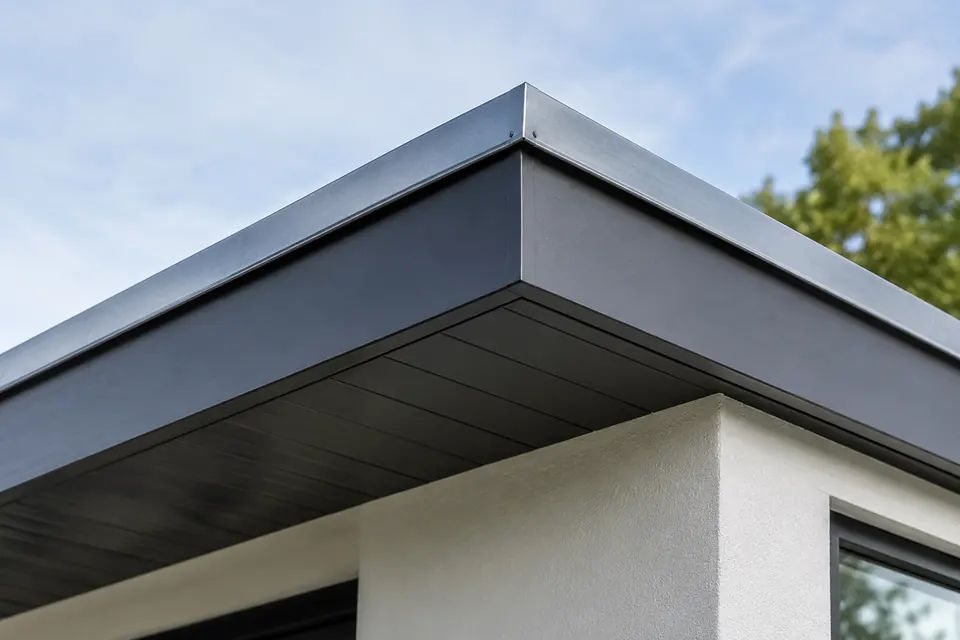
Aluminum Capping
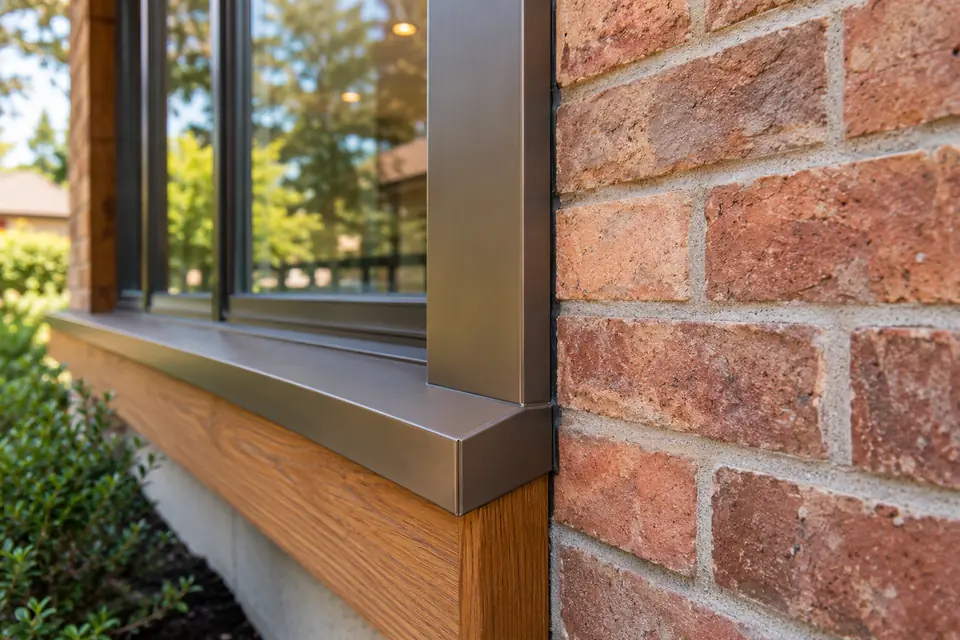
Wrap compatible trim and fascia conditions with formed aluminum and deliberate joints.
Explore capping →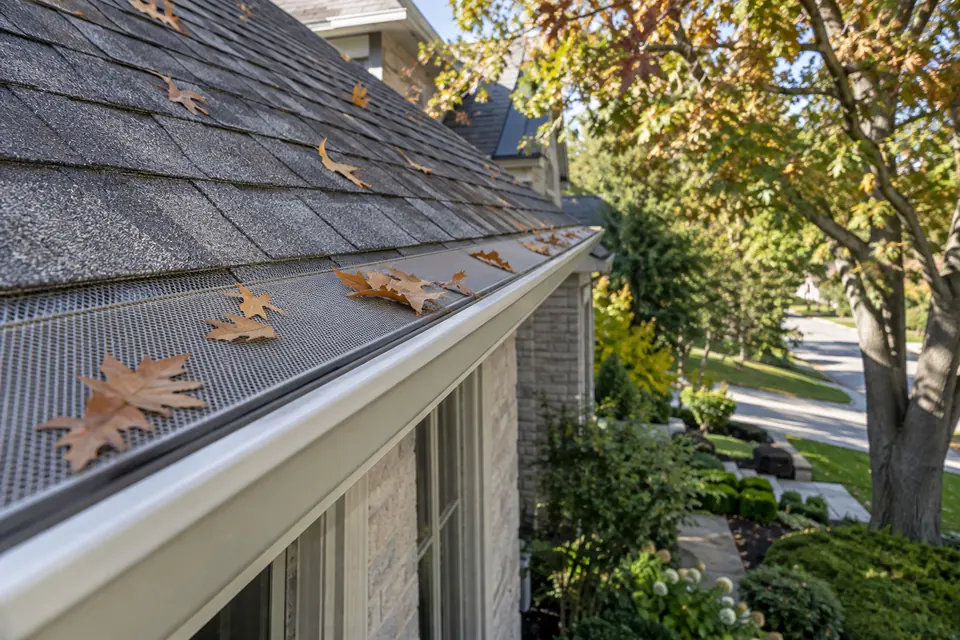
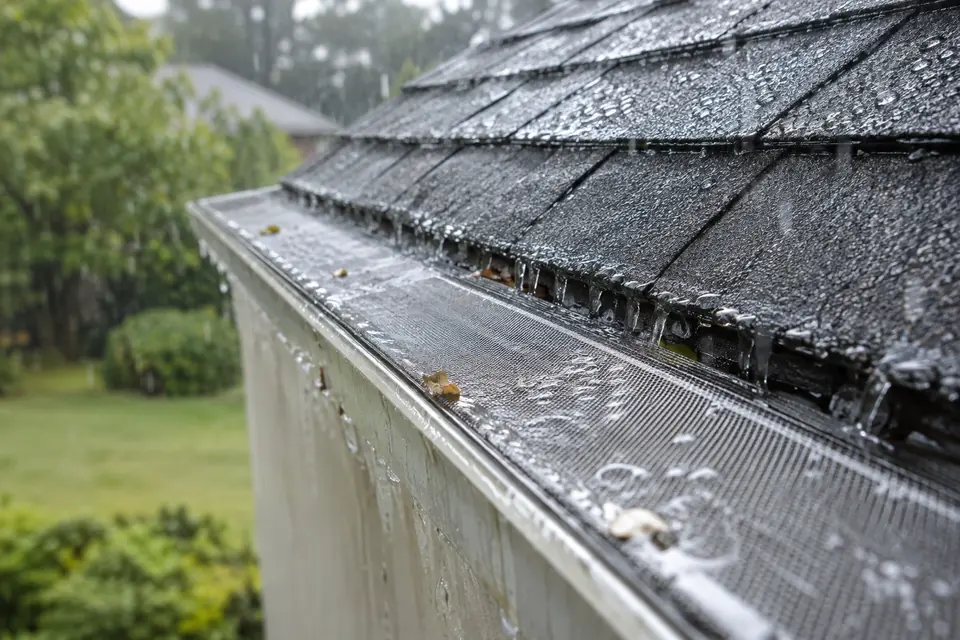
Reduce debris entry
Gutter Guards
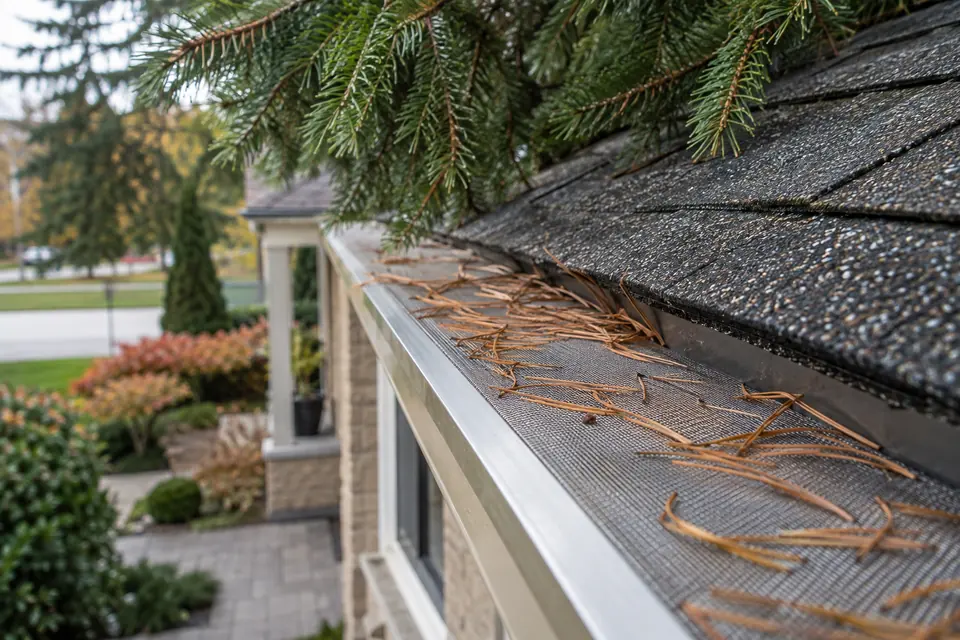
Choose a compatible guard around leaves, seeds, pine needles, roof valleys and outlet access.
Explore gutter guards →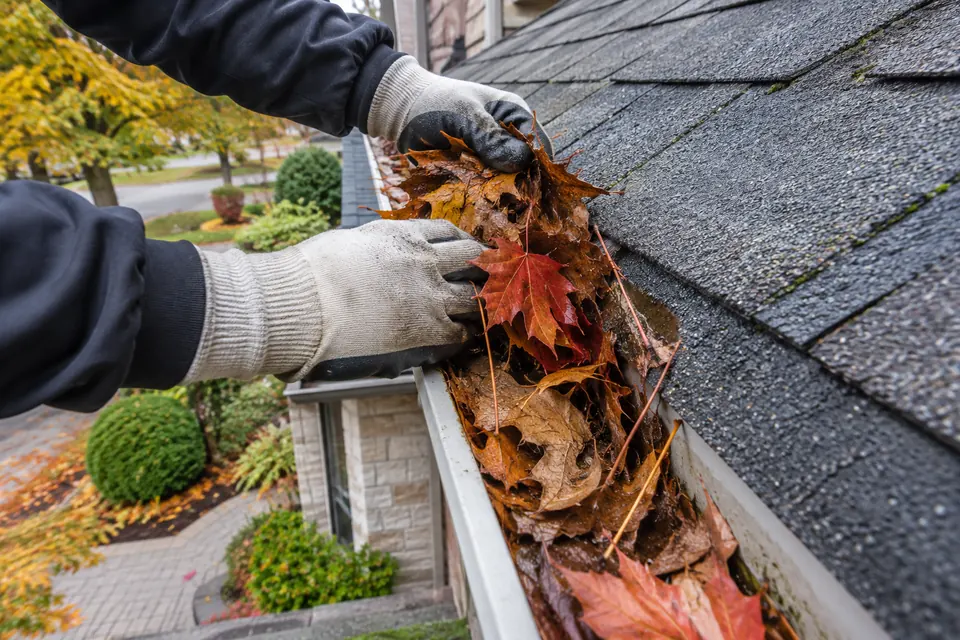
Maintain the system
Cleaning & Inspection
Guards do not eliminate maintenance. Frequency should reflect actual tree cover, debris and past restrictions.
Explore maintenance →Current Town guidance
Oakville Property Drainage
Property owners are responsible for maintaining grading and surface drainage. Oakville advises keeping swales functional, directing downspouts away from the house and avoiding concentrated discharge at a property line or onto neighbouring land.
Routine above-ground gutter work is different from excavation, grading changes or municipal right-of-way work. Expanded drainage scopes may require development-engineering or other review.
Read the Oakville Drainage Guide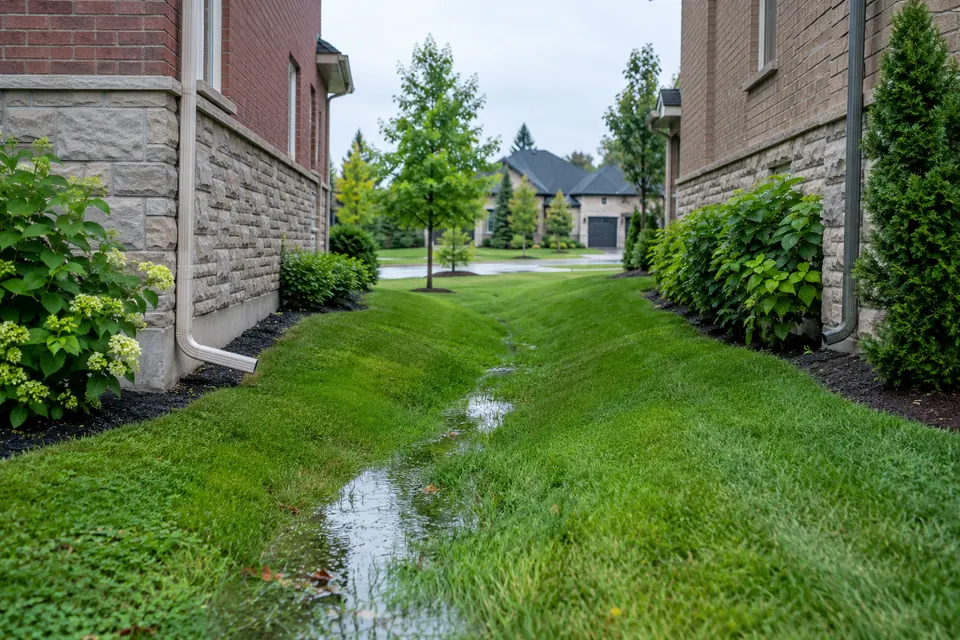
Larger and managed properties
Commercial & Managed Properties
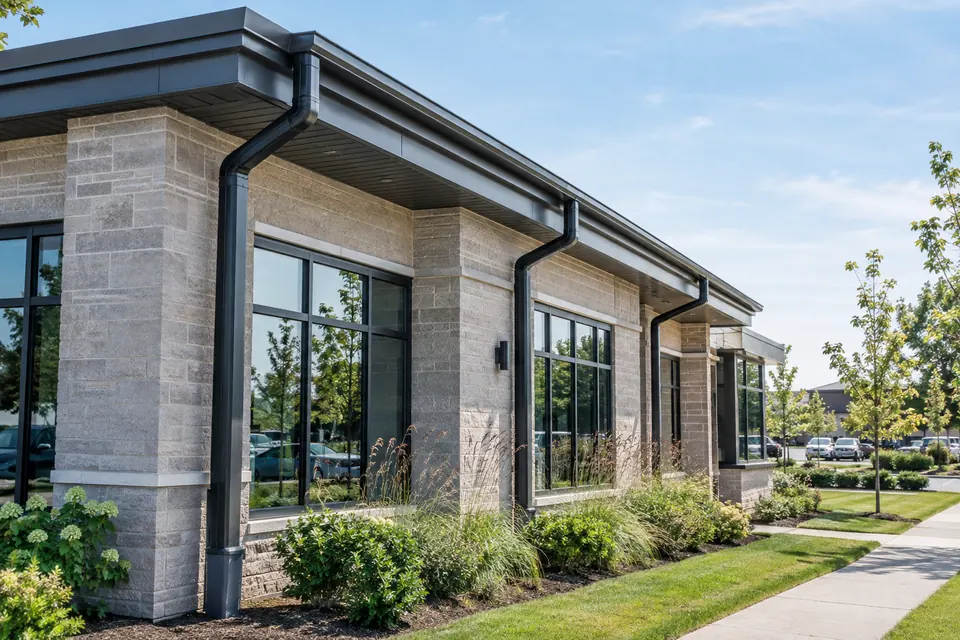
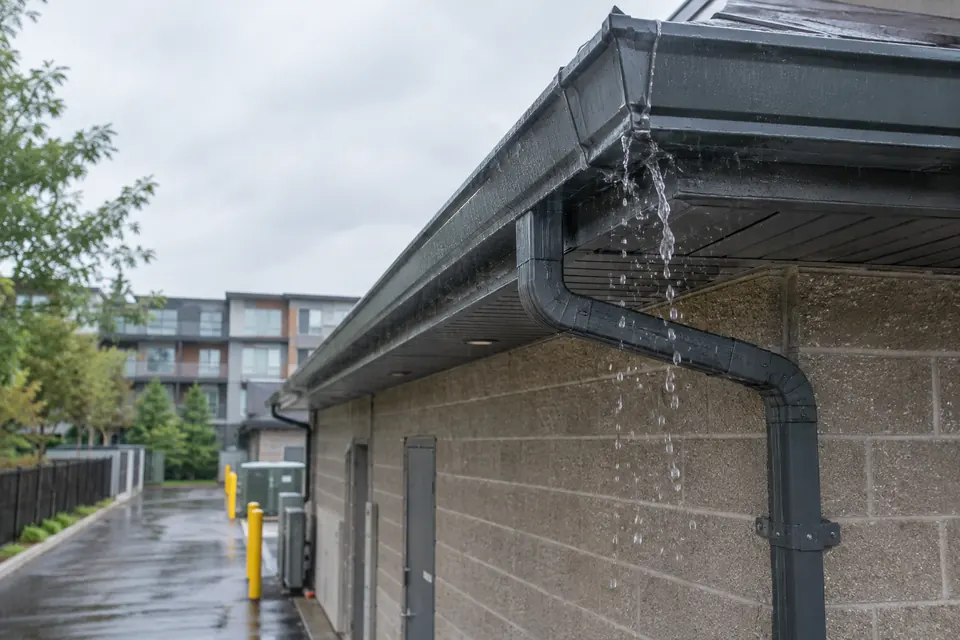
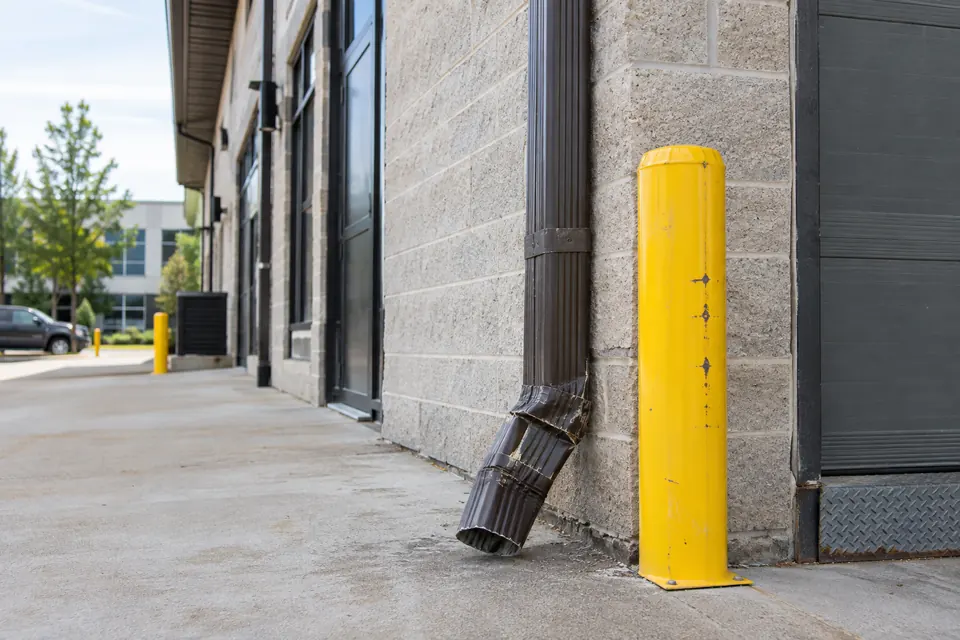
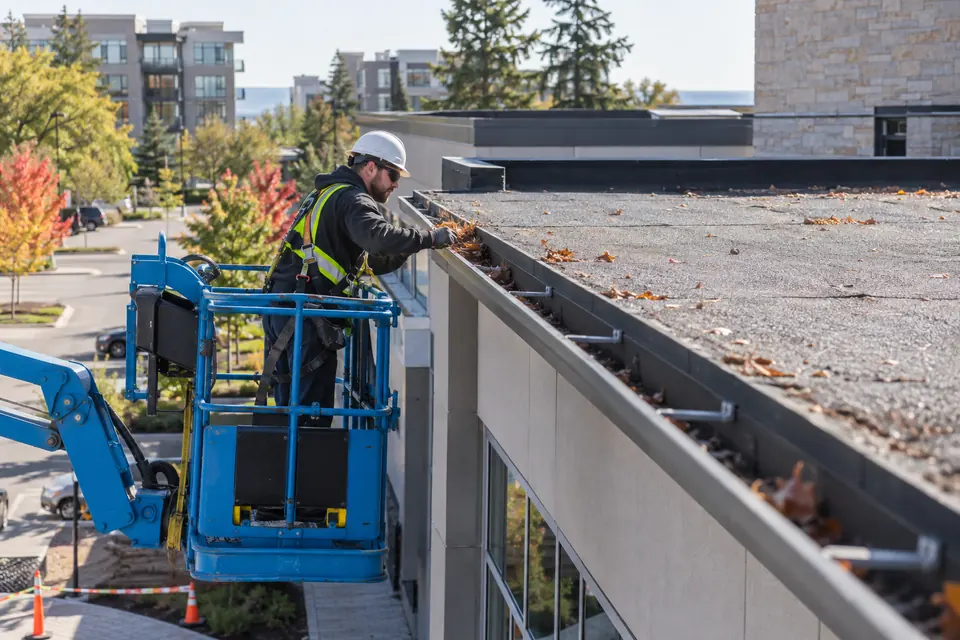
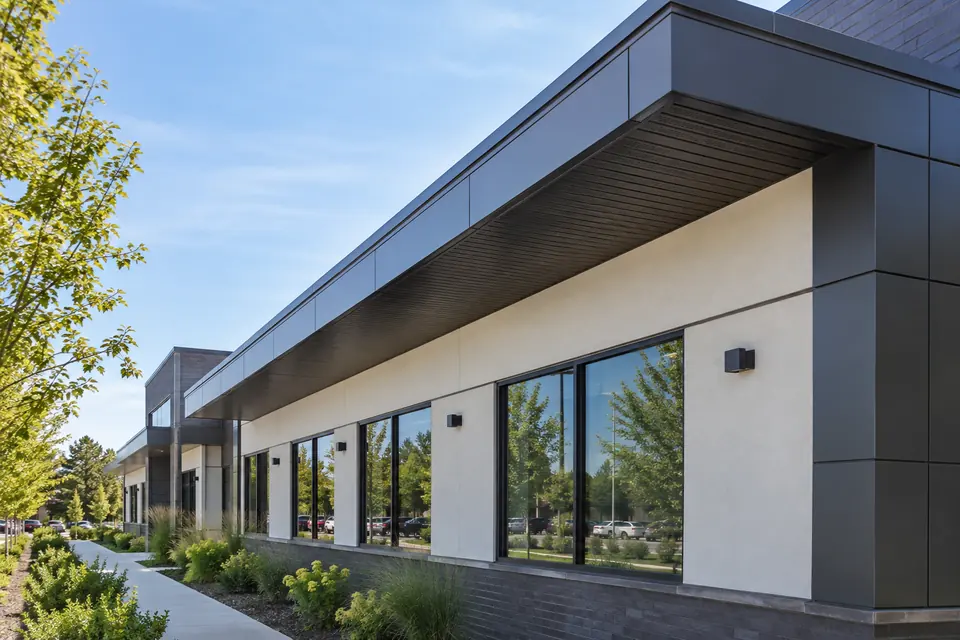
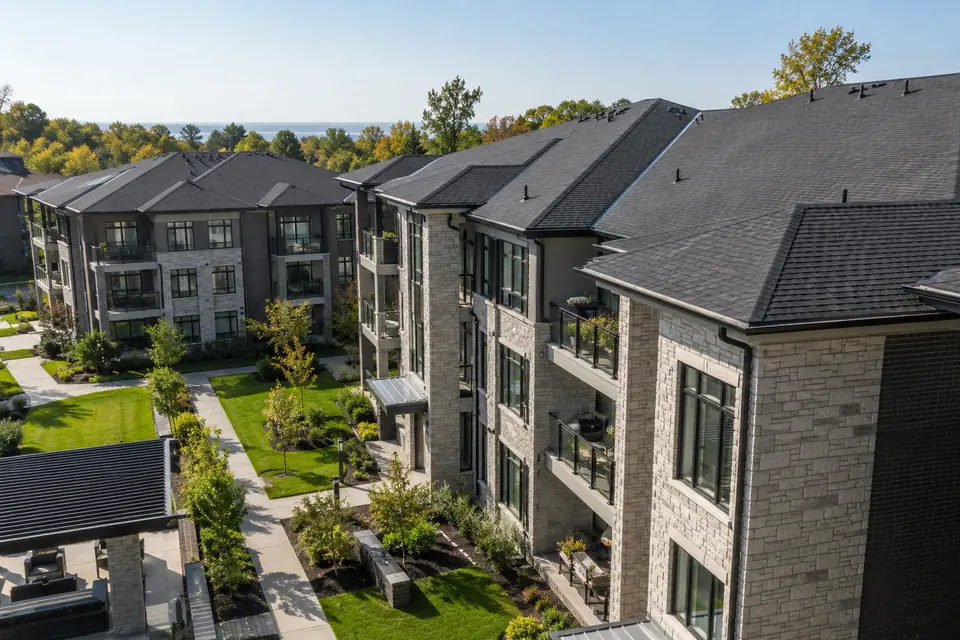
Commercial scopes identify the site, building and elevation, then account for long runs, access equipment, work zones, tenants, customers, vehicles, scheduling and phasing.


A clear service sequence
From Description to Water-Path Review
Describe Property
Identify address, type, storeys and affected elevation.
Review Roofline
Look at troughs, corners, attachment, fascia and roof concentrations.
Follow Water Path
Check outlets, downspouts, extensions and grade.
Define Scope
Separate repairable items from broader system conditions.
Complete Work
Coordinate access, protection, materials and sequence.
Review System
Confirm alignment, connections and discharge route.
Estimate planning
What Affects Cost?
No universal per-foot figure captures the complete property. The estimate should identify the runs, elevations and components included.
- Linear footage and number of storeys
- Inside and outside corners
- Outlets, downspouts and extensions
- Five- or six-inch profile
- Removal and disposal
- Fascia condition and related roofline work
- Gutter guards, colour and finish
- Commercial lift, work-zone and phasing requirements
Common questions
Oakville Eavestrough FAQs
Do all leaking gutters need replacement?
No. A localized corner, end cap, joint, hanger or outlet may be repairable when the surrounding run, attachment and layout remain serviceable.
Do gutter guards eliminate cleaning?
No. Guards can reduce larger debris entry, but fine material, surface debris and outlets still need inspection and maintenance.
Is a six-inch gutter always better?
No. The larger profile should answer a documented roof-area or concentration need and must be paired with suitable outlets and downspouts.
Where should a downspout end?
It should release water away from the building while respecting grade, hard surfaces, swales, property boundaries and neighbouring land.
Does gutter work prevent basement flooding?
It can improve roof-runoff control, but basement flooding can involve grading, foundation, sewer, groundwater and municipal conditions beyond the eavestrough system.
Detailed planning resources
Latest Guides
How to Choose 5-Inch or 6-Inch Eavestroughs in Oakville
A practical guide to choosing between 5-inch and 6-inch eavestroughs by following the full path of roof runoff, not just the visible trough size.
Read guide →Seamless Aluminum Eavestrough Installation in Oakville: Plan the Full Water Path
Seamless aluminum eavestroughs reduce joints along straight roofline runs, but their performance still depends on slope, attachment, outlets, downspouts, and drainage at grade.
Read guide →Leaking Eavestrough Repair in Oakville: Find the Cause Before Fixing the Drip
A leak at the roof edge is not always just a failed seam. Learn what to observe, when a local repair can make sense, and why the downspout and discharge route belong in the same review.
Read guide →Request an estimate
Tell Us About the Property
Describe the property type, number of storeys, affected roofline or drainage condition, desired timing and any safe photos that help show the issue.